Quick answer: Spanish and Portuguese cooking uses few spices in the strict sense: pimentón, smoked paprika from Extremadura, and the saffron in paella are the best known, both outside our range. Cinnamon, on the other hand, turns up in several Portuguese desserts, where our Madagascar cinnamon has a place.
Spain and Portugal share a cuisine where spices in the strict sense remain rare, alongside herbs such as rosemary or bay. Spanish pimentón and the saffron in paella are the two best known; on the Portuguese side, it is cinnamon that comes up most often, in several traditional desserts. This page sets out these spices, and the place held in them by our Madagascar cinnamon.
Pimentón de la Vera, a smoked paprika
Pimentón de la Vera is a smoked paprika, made in Extremadura from chillies dried and smoked over oak wood, then ground. It has held a protected designation of origin since 1999, which guarantees the geographical origin of the chillies and the production method. Its smoky, mild and slightly sweet taste also goes into chorizo, where it is part of the composition. It comes in three varieties, mild (dulce), bittersweet (agridulce) and hot (picante), used according to the dish: the mild one dominates in chorizo, while the bittersweet or hot ones season dishes such as patatas bravas, fried potatoes served with a spicy sauce, one of the best-known tapas in Spanish cooking.
Pimentón is not a product we offer: it is a dried and smoked chilli, different from our pili-pili chilli, which is dried but not smoked. To choose between a whole dried chilli and a powder, see dried chilli, whole or powdered.
Saffron, the soul of paella
Saffron is seen as the ingredient that carries the flavour of paella: it develops an aroma that is both floral and slightly metallic, and colours the rice a deep yellow. It is often recommended to steep it in a little hot water before adding it to the dish, to spread its colour and flavour better through the whole preparation. It is sold as threads, the dried stigmas of the flower, rather than as a powder, which sets it apart from most of our own spices. Saffron remains a spice we do not offer.
Cinnamon, discreet in Spain, present in Portugal
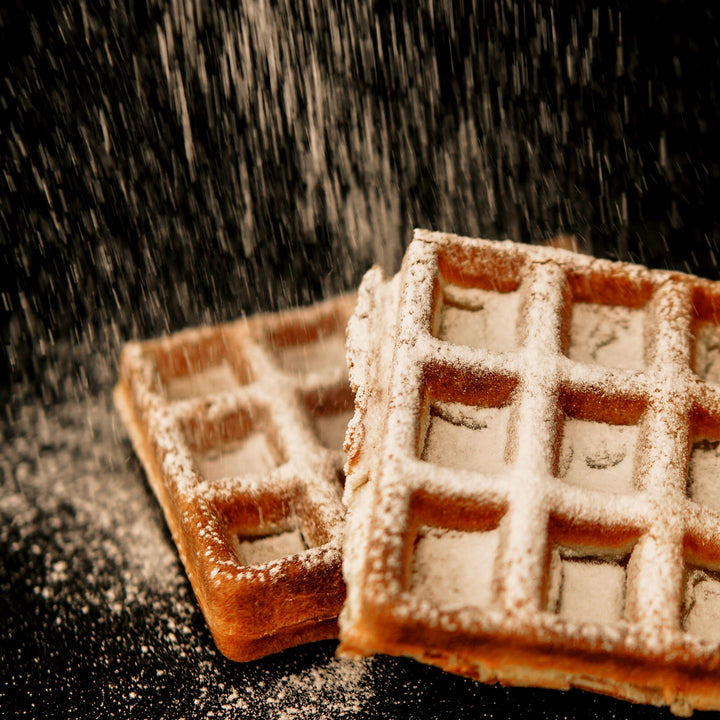
On the Spanish side, cinnamon appears mostly in baking, on an occasional basis. In Portugal, it comes up more often: cinnamon and eggs are among the most present ingredients in Portuguese baking. Sericaia, a traditional dessert from the Alentejo made with milk, eggs and cinnamon, arroz doce, a sweet rice pudding decorated with cinnamon, whose earliest recipes go back to the introduction of rice to the Iberian peninsula in the seventh century, and pastéis de nata, small custard tarts born in the eighteenth century in the bakery of the Jerónimos Monastery, in Belém, served warm and dusted with cinnamon or icing sugar, each carry a trace of it.
Our Madagascar cinnamon suits this use. For a preparation already written with cinnamon and rice pudding, see our vanilla and citrus rice pudding, or, for a custard base close to pastéis, our vanilla flan.
Piri-piri, a name that sounds like ours
Piri-piri is a spicy Portuguese condiment, whose name comes from a word meaning "chilli" in a Mozambican language, Ronga. Portuguese explorers developed it from the malagueta chilli, encountered in southern Africa. The name is close to that of our pili-pili chilli, but it does not refer to the same chilli or the same preparation: the two condiments come from different plants and different regions.
Our Madagascar chilli paste, made from the pili-pili chilli grown in Vangaindrano and packed in France, therefore does not stand in for Portuguese piri-piri. To find out more about how to use it, see Madagascar chilli paste: how to use it.
Working with our Madagascar spices
Without pimentón, saffron or Portuguese piri-piri, our own Madagascar range alone will not recreate these cuisines. It can, however, draw inspiration from their cinnamon desserts with what we offer: cinnamon and, for a chilli paste different from piri-piri, Madagascar chilli paste, one grown in Vangaindrano, the other made from the pili-pili chilli from the same region and packed in France.
Frequently asked questions
Is Spanish pimentón a Vanille Désiré product?
No. Pimentón is a smoked paprika from Extremadura, dried and smoked over oak wood; our pili-pili chilli is dried but not smoked, and comes from Madagascar.
Why does saffron turn paella yellow?
Saffron develops a floral, slightly metallic aroma and colours the rice a deep yellow; it is often steeped in a little hot water before being added.
Which Portuguese desserts feature cinnamon?
Sericaia, a dessert from the Alentejo, arroz doce, a rice pudding, and pastéis de nata, dusted with cinnamon or icing sugar.
Are Portuguese piri-piri and our pili-pili chilli paste the same?
No. Piri-piri is developed from the malagueta chilli of southern Africa; our paste comes from pili-pili chilli picked in Vangaindrano, Madagascar.
The Vanille Désiré team