Quick answer: With game, black pepper structures a long-simmered poivrade sauce, wild pepper is best ground as a finishing touch onto the cooked meat, cloves subtly flavour a marinade, and pink peppercorns bring a lighter touch at the end of preparation. Each spice keeps its own role this way, without masking the others.
Game, venison, wild boar, hare or pheasant, has a stronger taste than farmed meats, which takes well to bold spices: pepper in a sauce or as a finish, cloves in a marinade, pink peppercorns as a lighter touch. This page presents these pairings and points you to our recipes to go further.
Pepper, at the heart of poivrade sauce
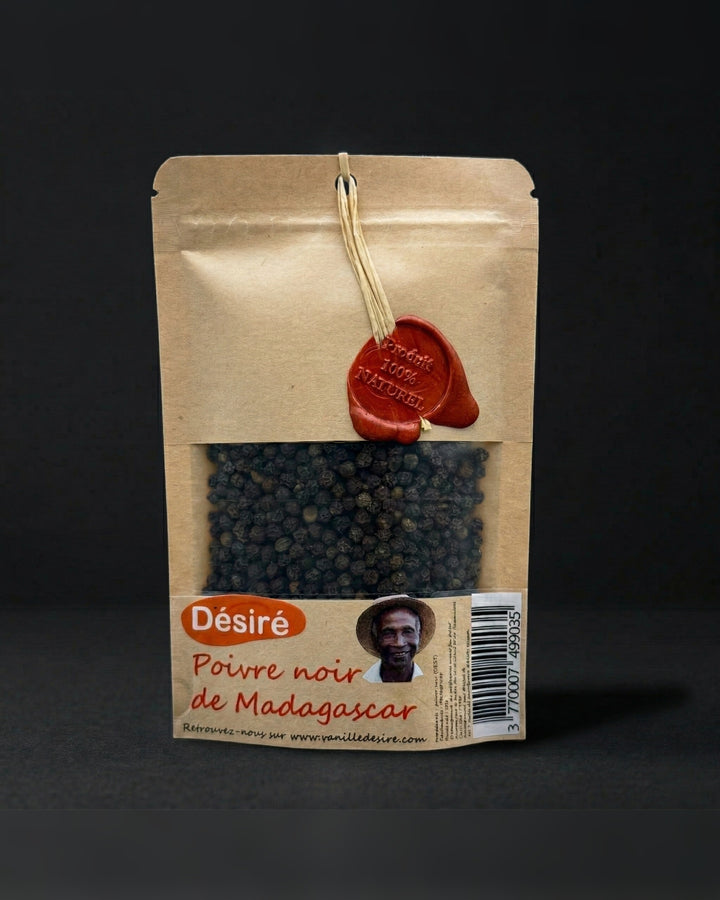
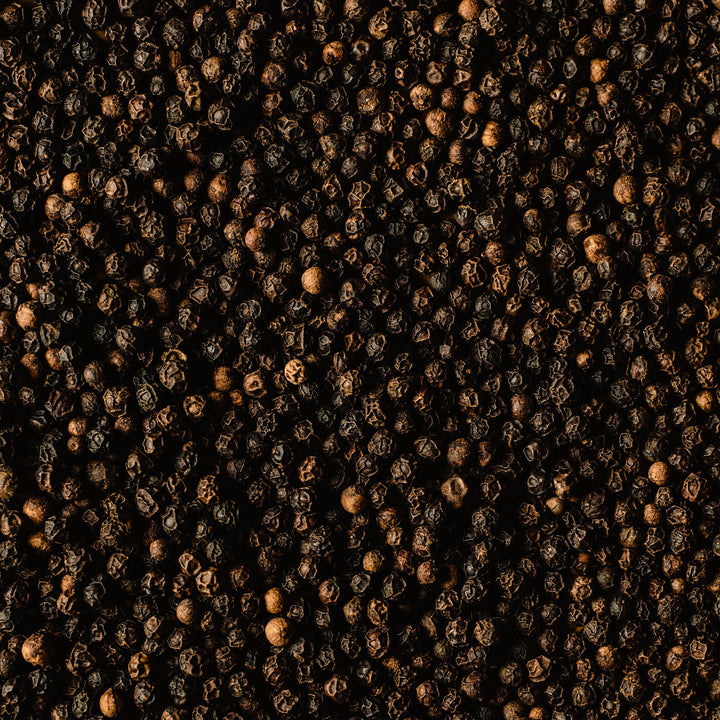
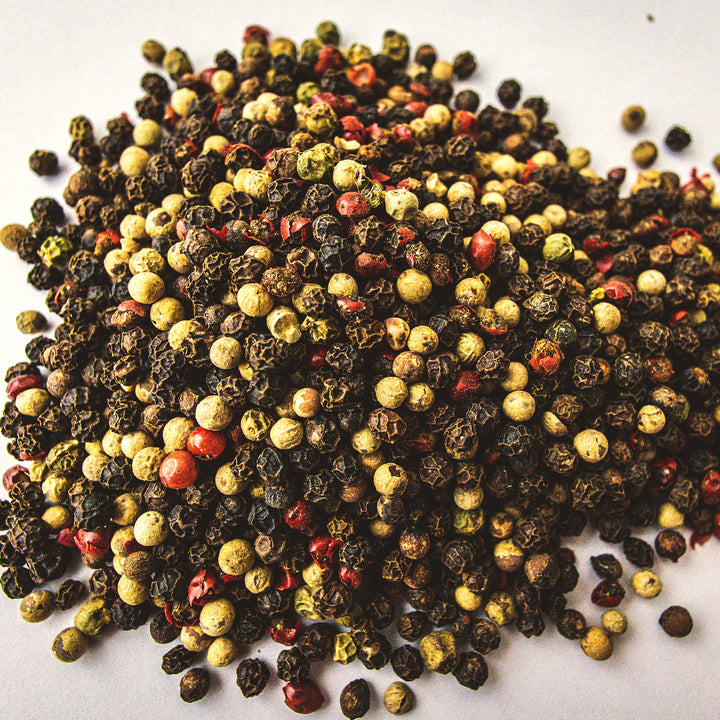
Poivrade sauce, a traditional French pepper-based sauce, is made from simmered vegetables, moistened with wine and a little vinegar, then generously seasoned with ground black pepper; haute cuisine versions thicken it with Spanish sauce rather than flour. It traditionally accompanies dishes such as venison civet, whose pronounced flavour it supports well. Our Madagascar black pepper, ground for the occasion, suits this kind of long-simmered sauce.
Wild pepper, as a finish on already-cooked meat
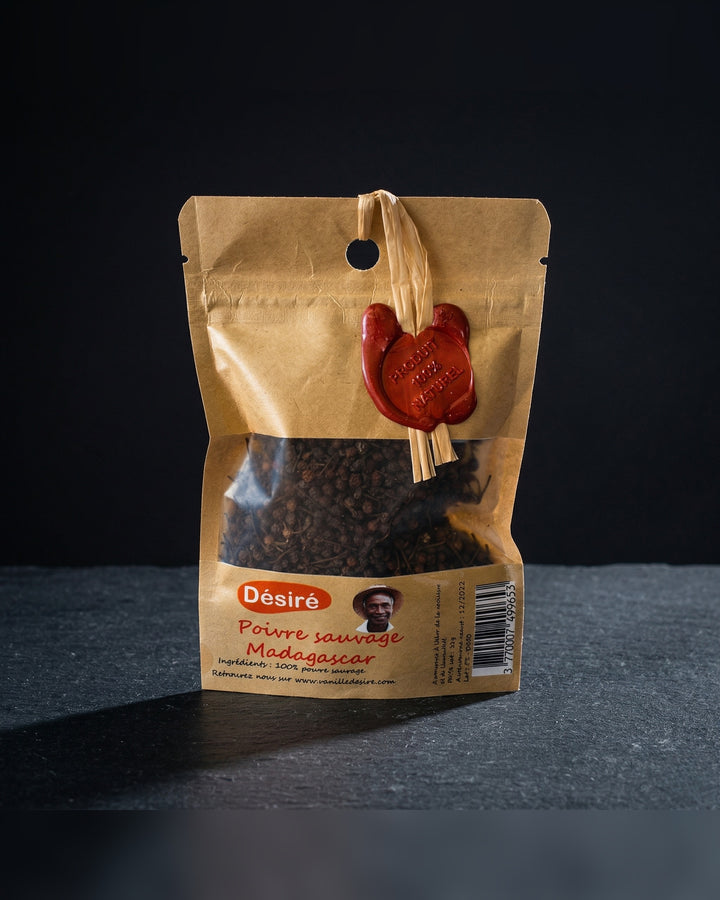
Wild Voatsiperifery pepper, gathered in the wild in the forests of south-eastern Madagascar, never cultivated, is best ground right at the end of cooking or straight onto the meat as it's served: its woody, resinous notes are lost in long cooking. Our Voatsiperifery pepper sauce for duck breast illustrates this principle on a red meat, even though farmed duck is not, strictly speaking, game.
Cloves, subtle in a marinade
Cloves owe their powerful, lingering fragrance to a concentrated essence, which makes them effective in very small amounts: in a game marinade based on wine and aromatics, two or three cloves are more than enough, as any more and their warm fragrance takes over from the game itself.
Pink peppercorns, a lighter touch
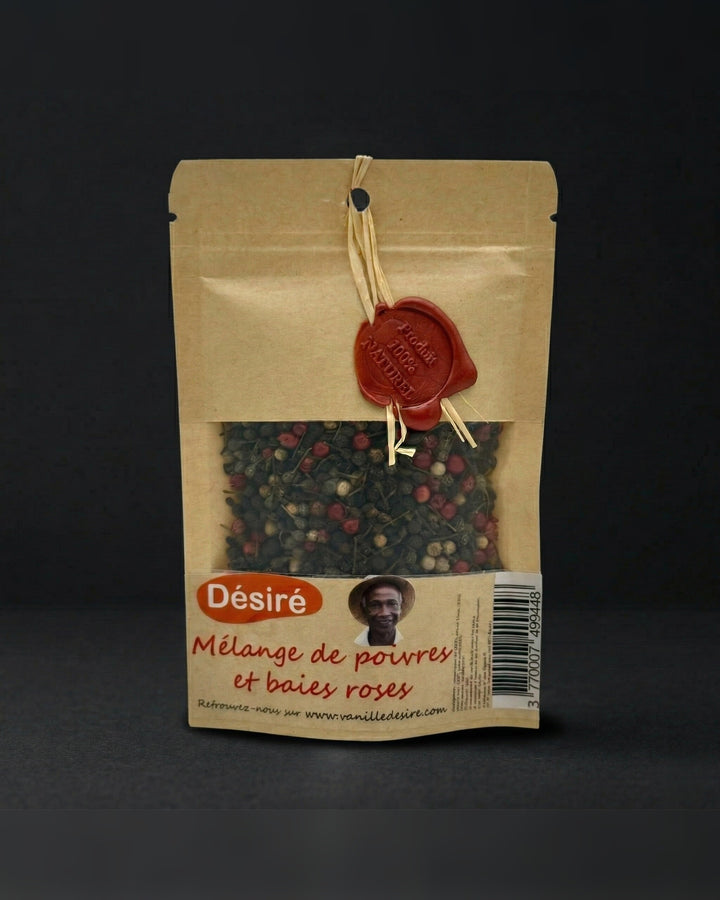
Against game meats that are often rich and strong-tasting, pink peppercorns bring a fresher, slightly fruity note, used whole, crushed at the last moment onto the already-cooked meat or into a reduced jus. They don't replace pepper in a long-simmered sauce, but pair well with it as a finish, to lighten the final bite.
Pink peppercorns, a berry and not a pepper
Pink peppercorns are not, botanically, a pepper: they come from a tree in the Anacardiaceae family, the same family as the cashew, with no relation to the pepper plant that produces black, white or wild pepper. They are nonetheless called "pink pepper" in everyday use, and are served alongside peppers for their colour and freshness, without claiming to belong to the same botanical family.
Combining several spices on the same game
A roasted or pan-fried piece of game can take several of these spices at different moments: cloves in the marinade, black pepper in the sauce that accompanies the cooking, and pink peppercorns or wild pepper crushed onto the meat at serving time. Each one keeps its own role this way, without any one masking the others.
Before or after cooking
Cloves and black pepper take well to long cooking, in a marinade or a simmered sauce. Wild pepper and pink peppercorns, by contrast, quickly lose their freshness to heat: they are best kept for the finish, on already-cooked meat or in a lightly reduced jus.
Where our spices come from
Our family grows black pepper, cloves and pink peppercorns in Vangaindrano, in south-eastern Madagascar. Wild Voatsiperifery pepper, meanwhile, is gathered there in the wild, never cultivated.
Frequently asked questions
What is poivrade sauce?
It is a traditional French sauce made from simmered vegetables, moistened with wine and vinegar, then generously seasoned with ground black pepper, which traditionally accompanies dishes such as venison civet.
When should wild pepper be added to game?
It's best ground right at the end of cooking or straight onto the meat as it's served, as its woody, resinous notes are lost in long cooking.
How many cloves should go in a game marinade?
Two or three cloves are more than enough in a marinade based on wine and aromatics; any more and their warm fragrance takes over from the game itself.
Are pink peppercorns a true pepper?
No, they come from a tree in the Anacardiaceae family, the same family as the cashew, with no botanical relation to the pepper plant that produces black, white or wild pepper.
Our products to go further: Madagascar black pepper · Madagascar wild pepper · Madagascar cloves · Madagascar pink peppercorns
To go further, see our Voatsiperifery pepper sauce for duck breast and our page on spices and red meat.
The Vanille Désiré team