Quick answer: Wild Voatsiperifery pepper, woody, floral and lightly minty, is used in desserts in very small amounts, with fruit and vanilla. It's crushed in a mortar or ground at the last moment, to add an aromatic note rather than heat.
Wild Voatsiperifery pepper works very well in desserts, in small amounts, with fruit and vanilla. It's crushed in a mortar or ground at the last moment, then mixed into raw or roasted fruit. This page offers a table of sweet pairings and points to a specific recipe.
Why pepper goes with sweet
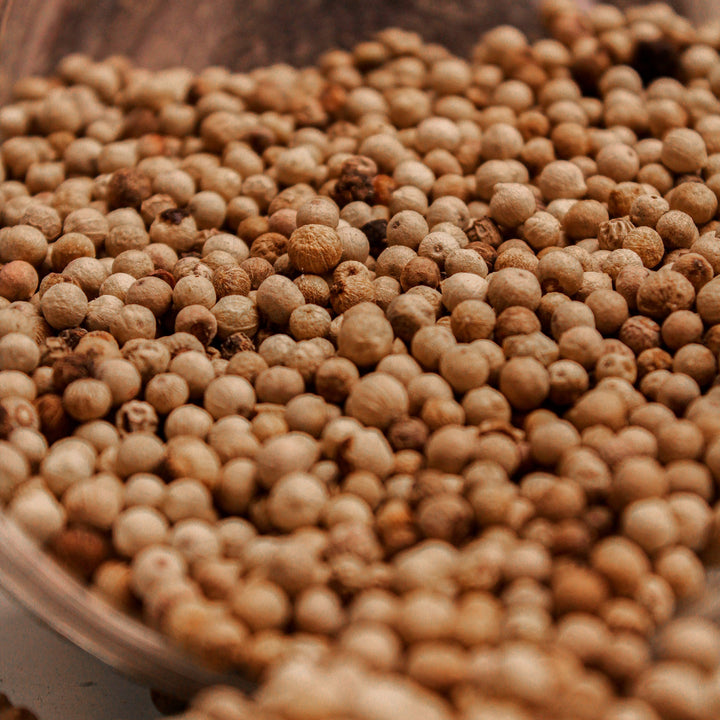
Wild Voatsiperifery pepper is described as woody, floral and lightly minty. Descriptions of it also call it rich in aroma and less fiery than other peppers. These woody, fruity notes suit a dessert well: the fruit gains depth, and the sugar softens the heat.
The pepper isn't there to add heat, but to add an aromatic note. That's why it's dosed by the pinch.
Table of pairings
- Strawberries: raw, with a little sugar and a citrus zest; the pepper is crushed in a mortar and mixed into the fruit.
- Pineapple: roasted, with vanilla; see the recipe linked below.
- Vanilla: the pod or the caviar links the pepper and the fruit, since each brings warm notes.
- Citrus: an orange zest in the syrup or the maceration gives the pepper freshness.
Strawberries with wild pepper
The basic idea is a maceration: crush whole peppercorns in a mortar with raw sugar, an orange zest and a little alcohol, then pour over the strawberries. The pepper spreads through the juice. Let it rest in the fridge for a while, taste, adjust the sugar.
- Wash and hull the strawberries, cut them up if they're large.
- Crush a few peppercorns in a mortar with the sugar.
- Add the zest, the alcohol if using, and mix into the fruit.
- Let it macerate in the fridge, then serve alone or with cream.
Roasted pineapple, vanilla and wild pepper
Pineapple, roasted in the oven or in a pan, takes well to pepper and vanilla. We have a full recipe: roasted pineapple with vanilla and wild pepper. It gives the amounts and the method; this page doesn't repeat them.
Raw fruit or roasted fruit: what changes
On raw fruit, the pepper keeps all its fragrance and comes through clearly: use little, crushed at the last moment. On roasted fruit, the heat softens the fruit and the pepper melts into the cooking juices: you can put a little in the bottom of the dish before roasting, then add another turn when serving.
A vanilla and pepper syrup
For poached fruit or a fruit salad, a flavoured syrup links the two. Here's the method, without fixed amounts, to adjust to your own recipe:
- Warm the syrup gently.
- Add a split vanilla pod and a few crushed wild peppercorns.
- Let it infuse off the heat, then strain.
- Pour over the fruit, warm or cold.
How to use it without getting it wrong
- Grind at the last moment: see our page on wild Voatsiperifery pepper for its profile, and the mill for fresh grinding.
- Start with little: one turn of the mill over a plate of fruit is enough to taste the effect.
- Add at the end on raw fruit; on roasted fruit, you can add some before, in the bottom of the dish, and a little more at the table.
- Don't mask the fruit: the pepper accompanies, it shouldn't dominate.
Pairing vanilla and pepper
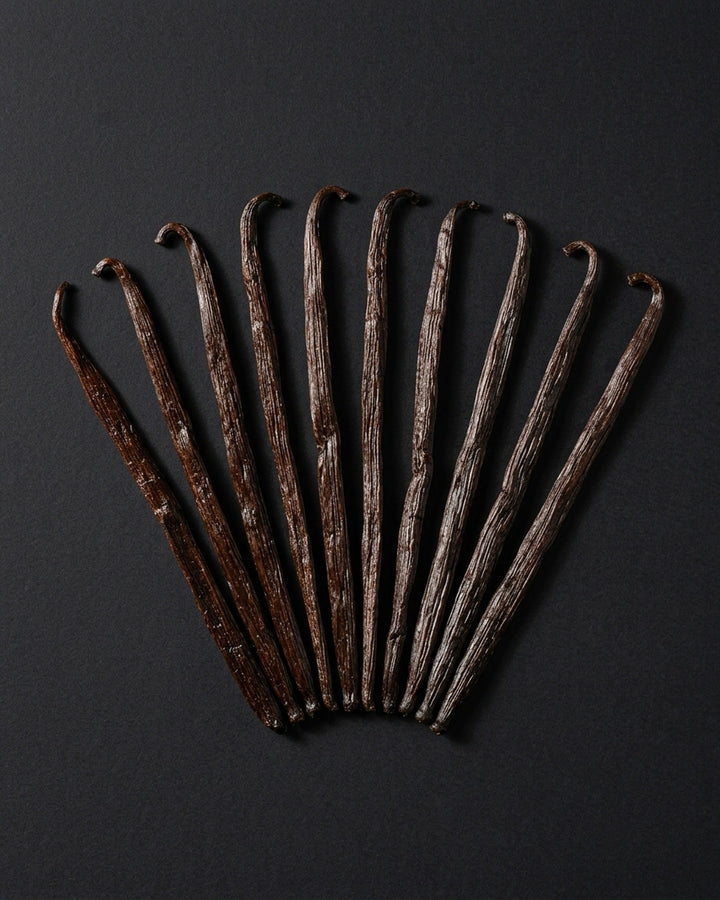
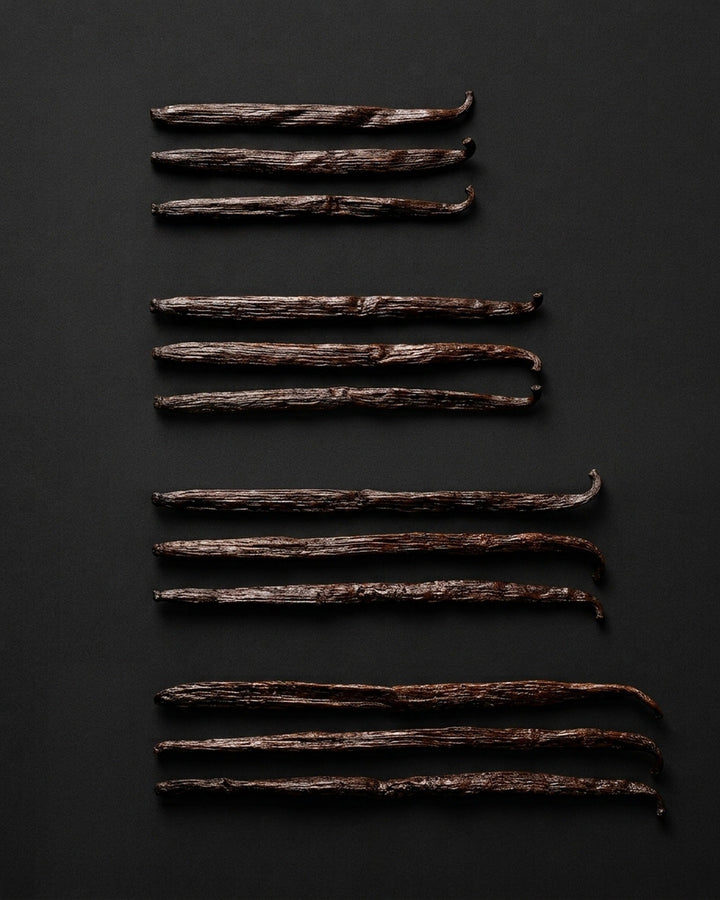
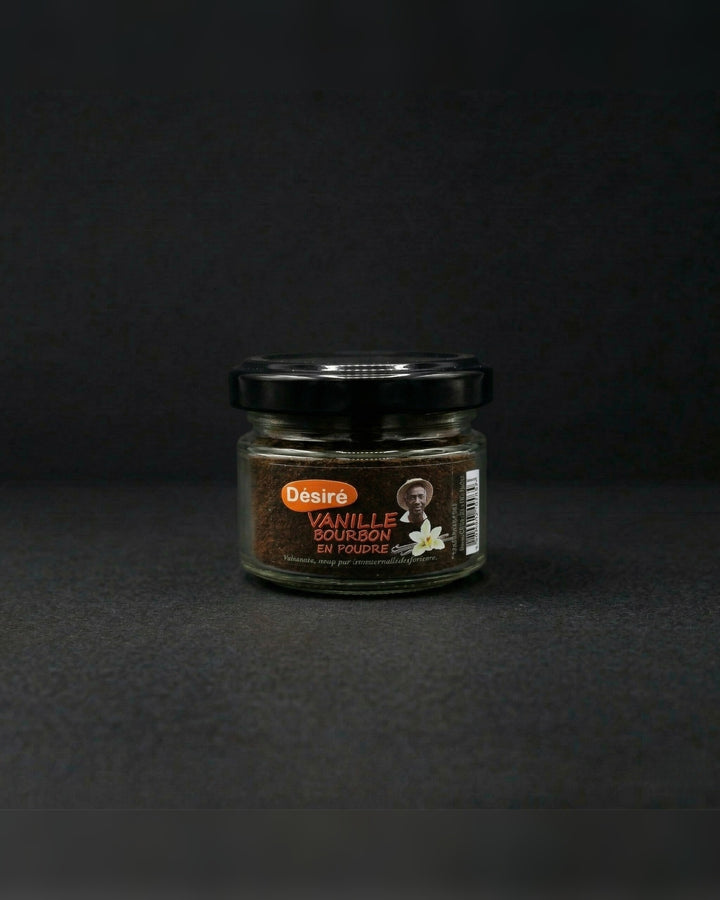
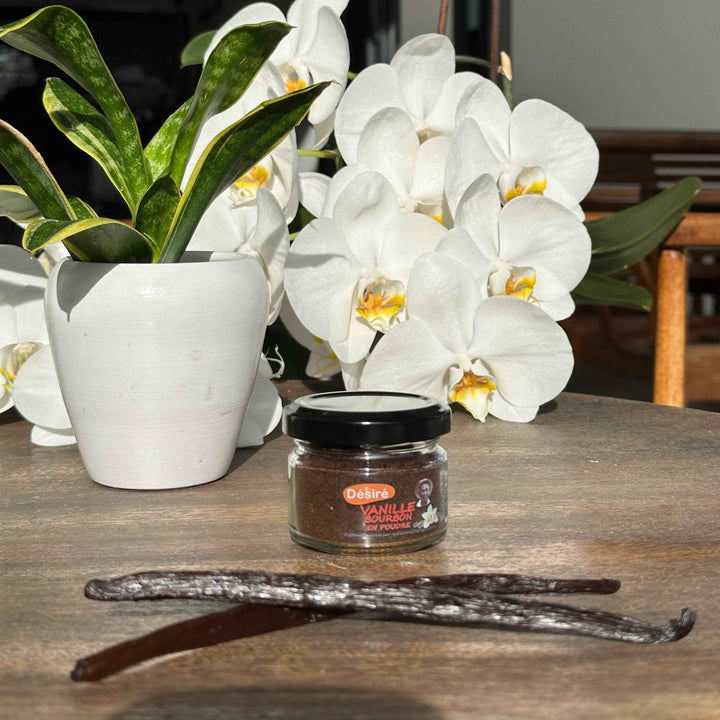
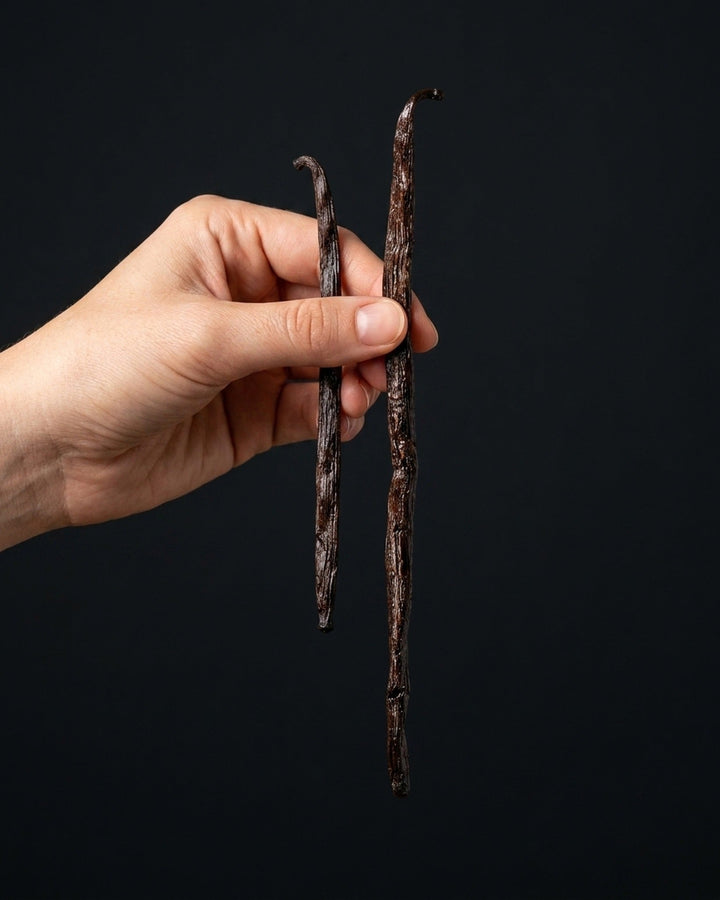
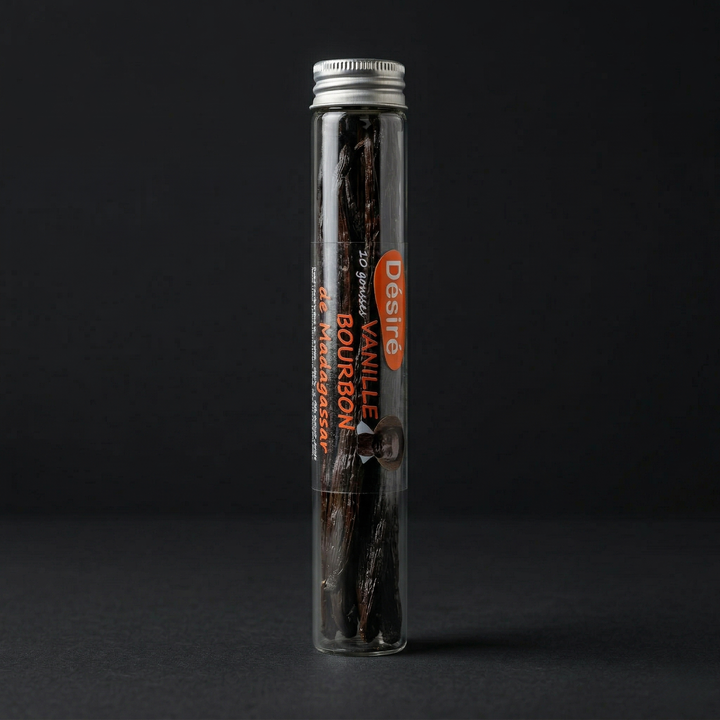
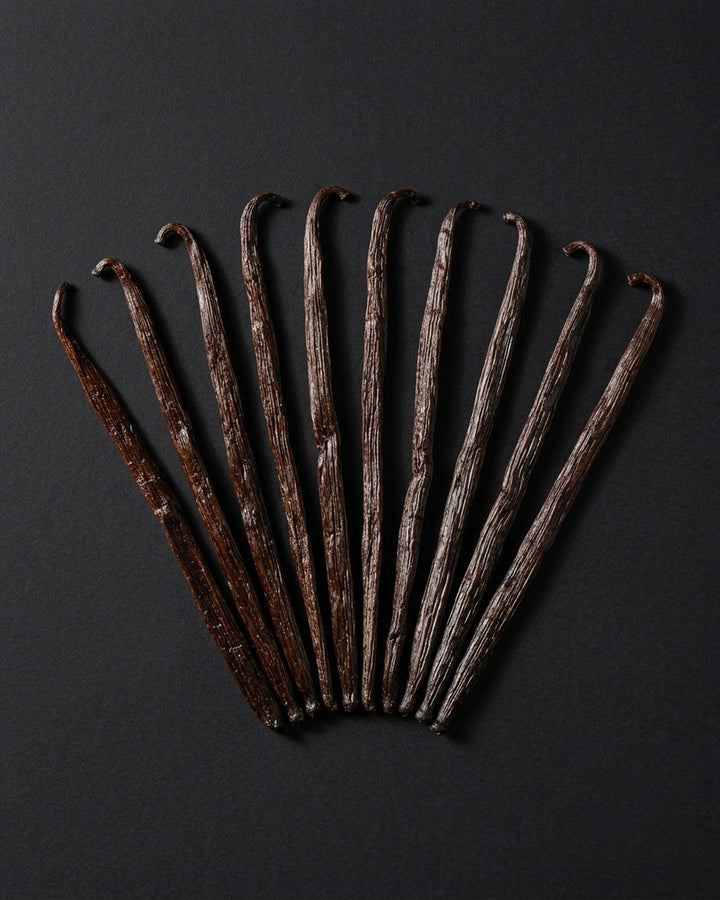
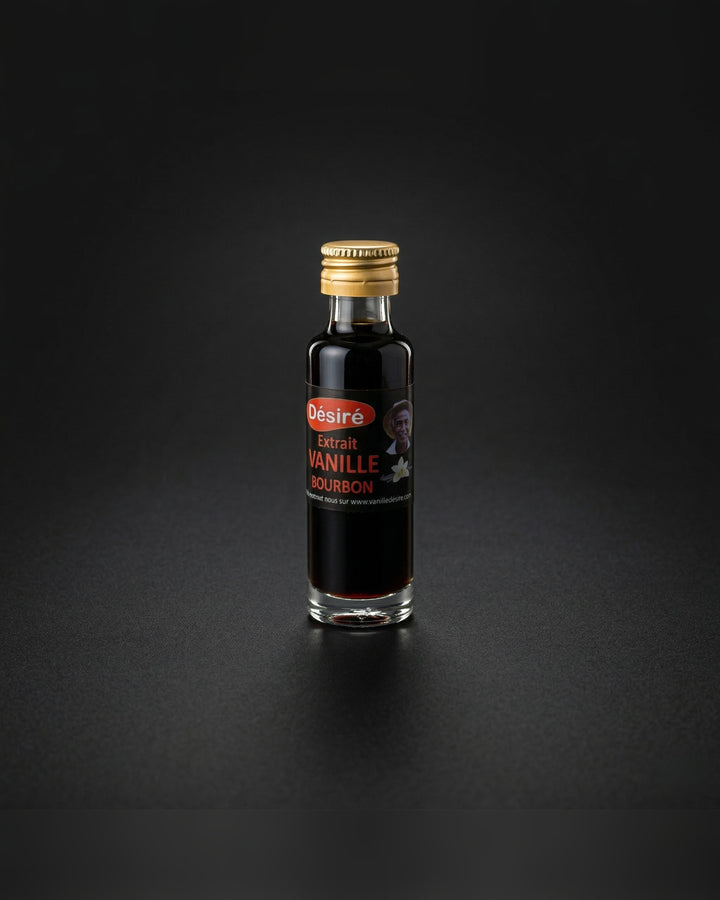
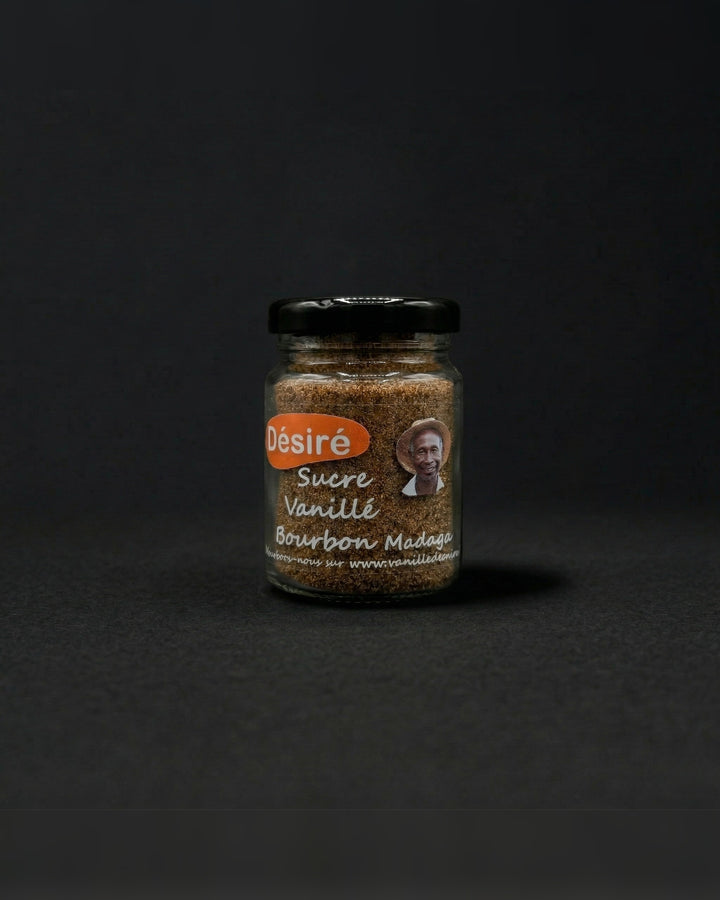
Vanilla and wild pepper share warm, woody notes. In a cream or a syrup, you can infuse both together, then strain. For vanilla, our page on vanilla uses in cooking gives some ideas. For the pods, see our Bourbon vanilla pods from Madagascar.
The pepper for these recipes
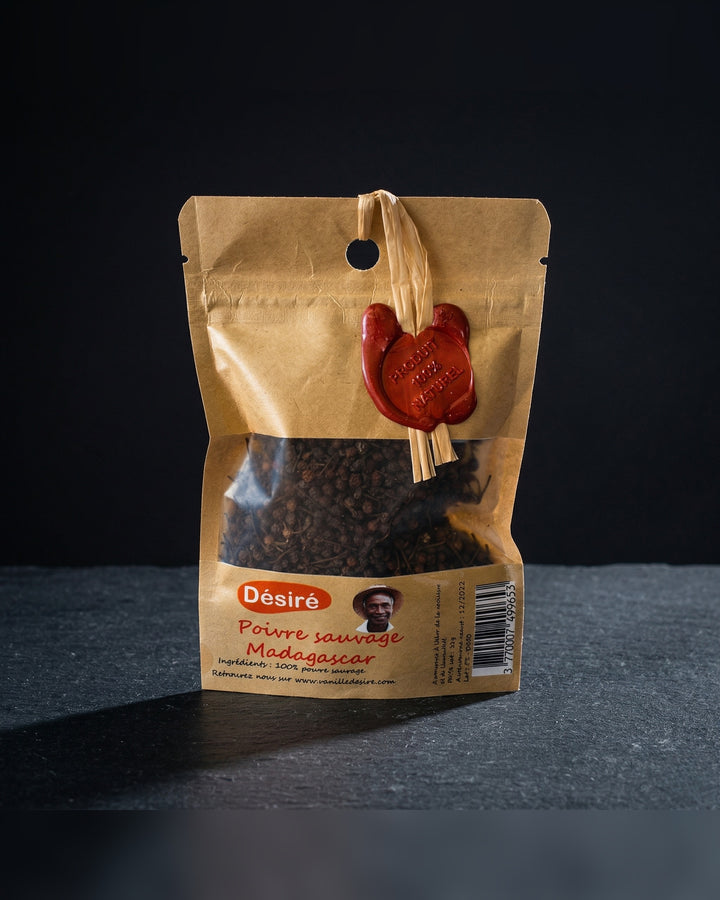
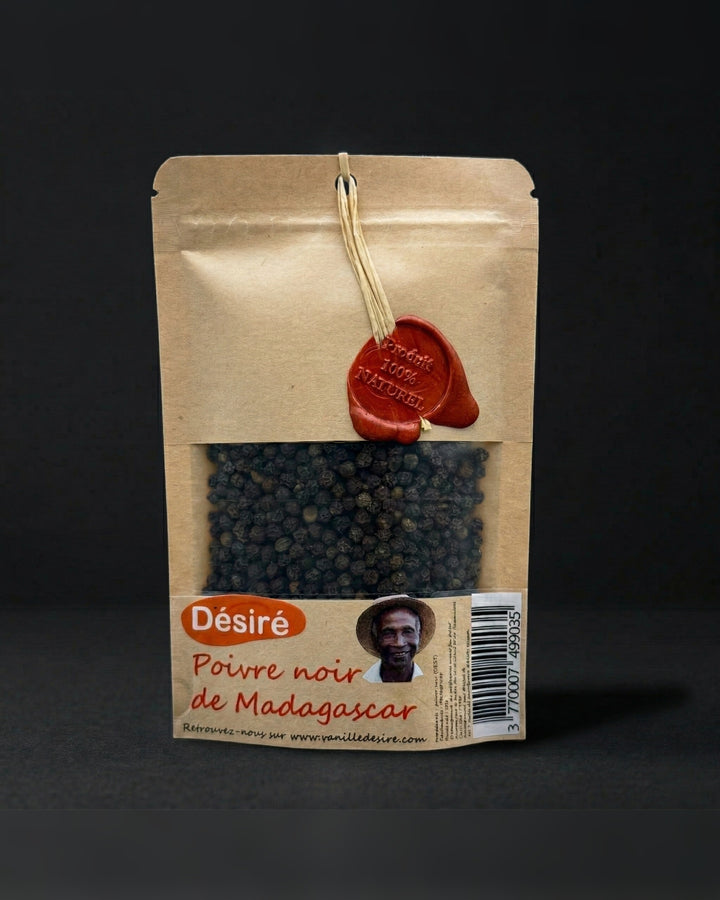
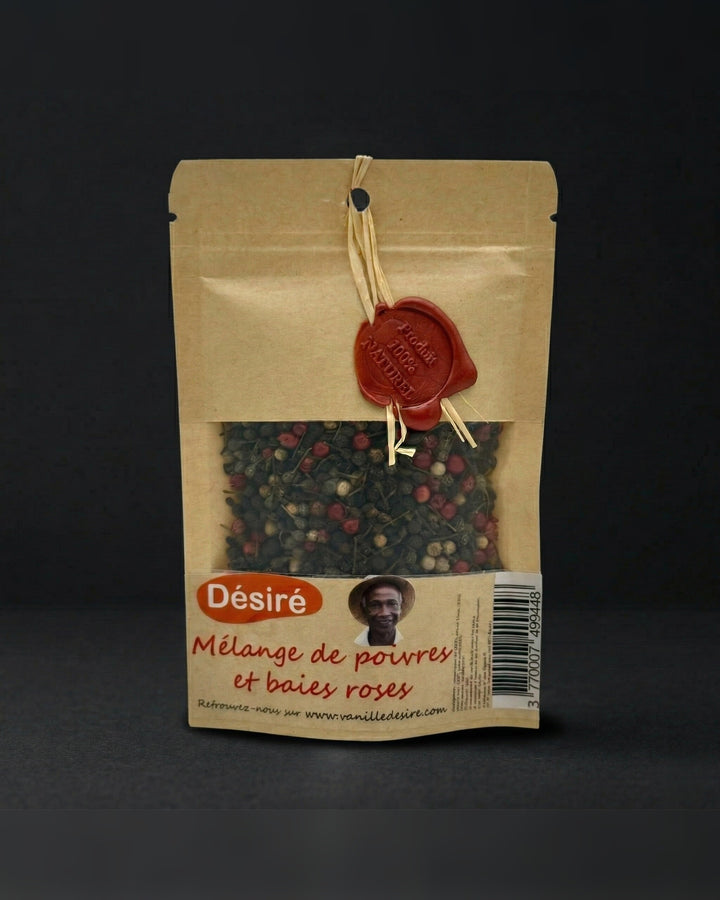
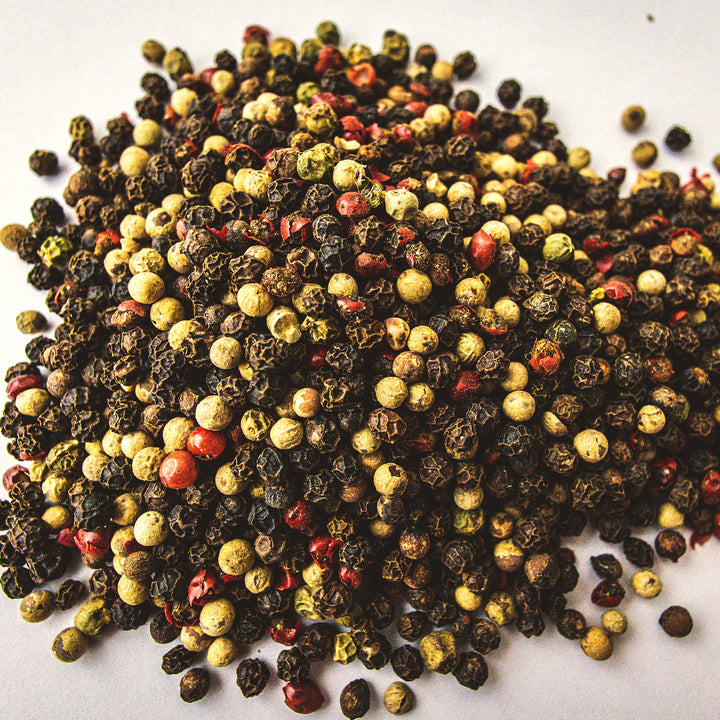
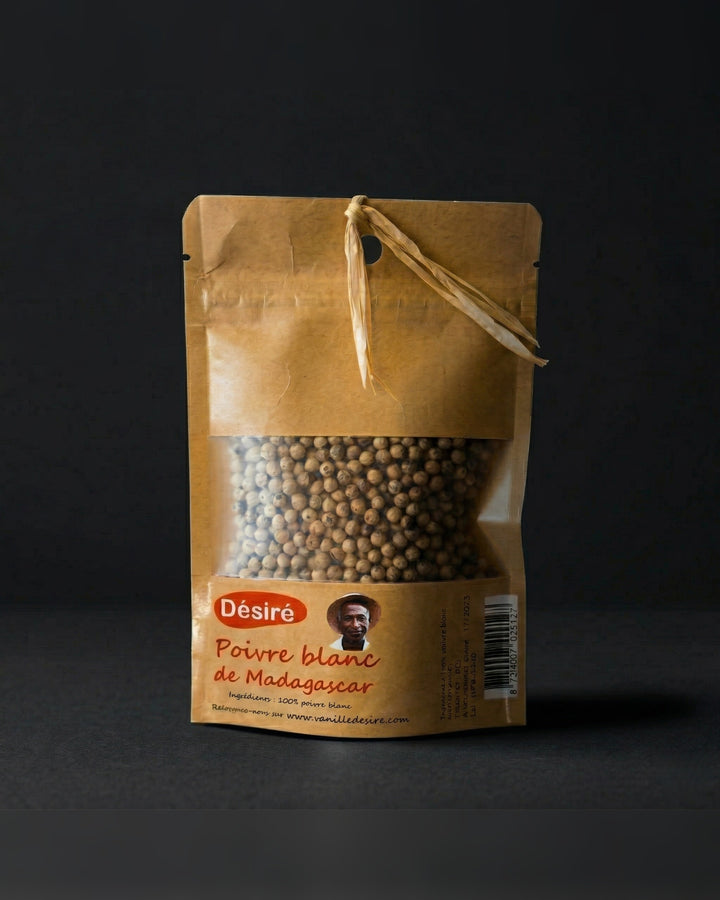
To refill a mill or to grind in a mortar, the pepper is sold whole. See our wild pepper in a pouch. Prefer to serve at the table? There's also a refillable mill.
Where the pepper and vanilla come from
This wild pepper is gathered in the forest, in the Vangaindrano region, in south-east Madagascar: it isn't cultivated. Our family grows and prepares the vanilla in the SAVA region, in north-east Madagascar. We ship both ourselves, with no middleman.
Frequently asked questions
Which fruits pair well with wild pepper in a dessert?
Strawberries, pineapple and citrus fruits pair well with this pepper, which also goes well with vanilla, since both bring warm notes.
How do you prepare strawberries with wild pepper?
Crush a few peppercorns in a mortar with raw sugar and an orange zest, optionally add a little alcohol, then pour over the strawberries and let macerate in the fridge.
Should wild pepper be ground ahead of time for a dessert?
No, it's crushed in a mortar or ground at the last moment, just before adding it to raw or roasted fruit.
Does wild pepper make a dessert spicy?
No, it isn't there for heat but for an aromatic note, and is dosed by the pinch so as not to dominate the fruit.
The Vanille Désiré team