Quick answer: Infusing a clove, a vanilla pod or peppercorns in a jar of honey flavours it within a few days, with no cooking involved. Ground spices cloud the honey, so it is better to use whole spices and remove them before serving. Honey is not suitable for any child under one year old.
Honey lends itself well to infusing a whole spice: simply drop in a clove, half a split vanilla pod or a few peppercorns, then leave the jar to rest before using it in cooking or on a slice of bread.
Why a whole spice, never ground
A ground spice disperses through the honey, clouds it and ends up settling at the bottom of the jar as a paste that is not very pleasant to look at. A whole spice, by contrast, infuses slowly, stays visible and can be lifted out with a spoon before serving, the way you would remove a vanilla pod from a custard. Honey, already rich in sugar and low in water, naturally lends itself to this kind of long infusion with no cooking needed at all.
Cloves, vanilla, pepper: one spice at a time
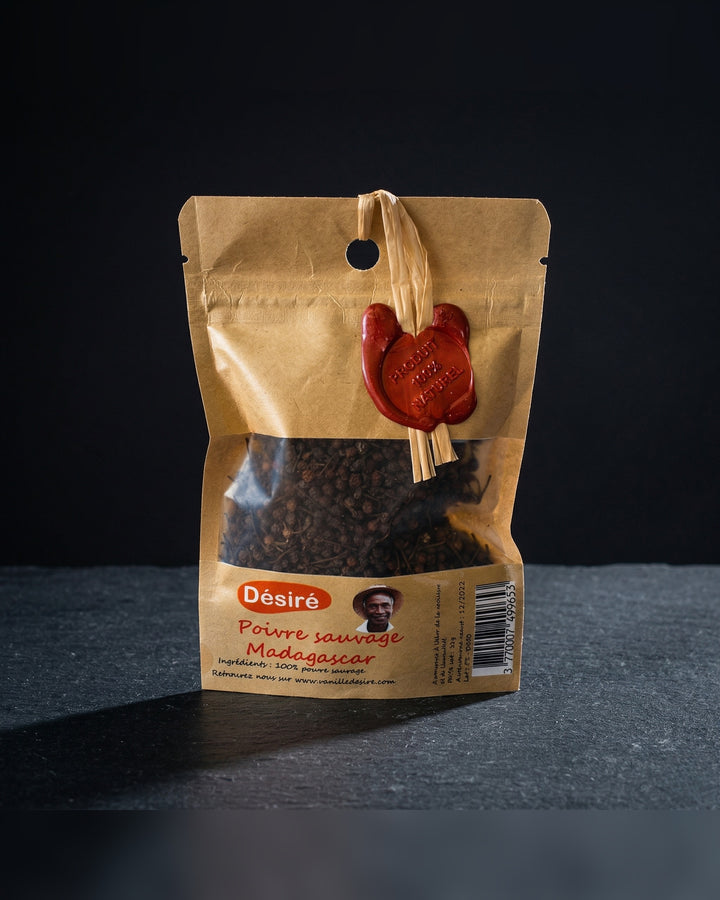
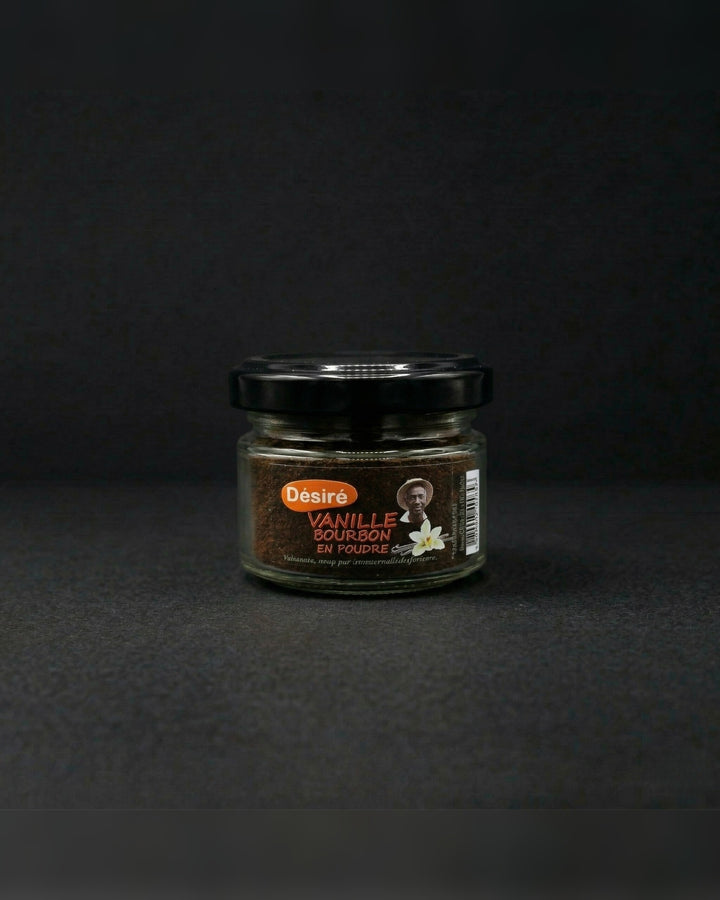
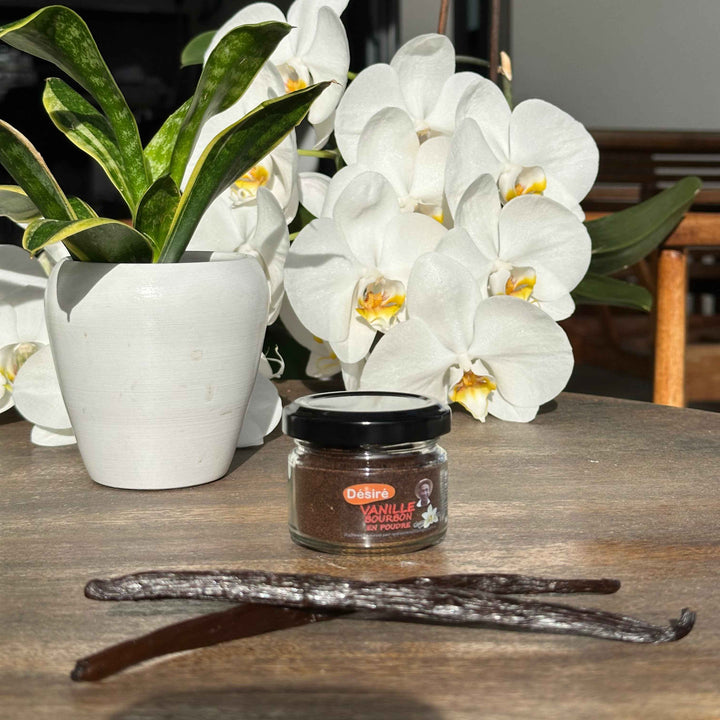
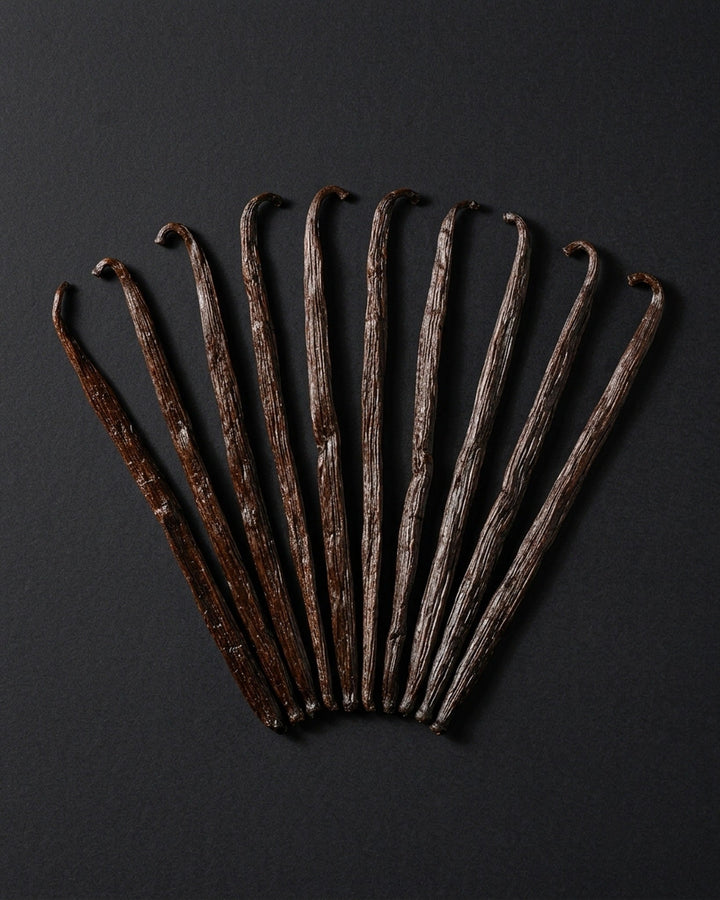
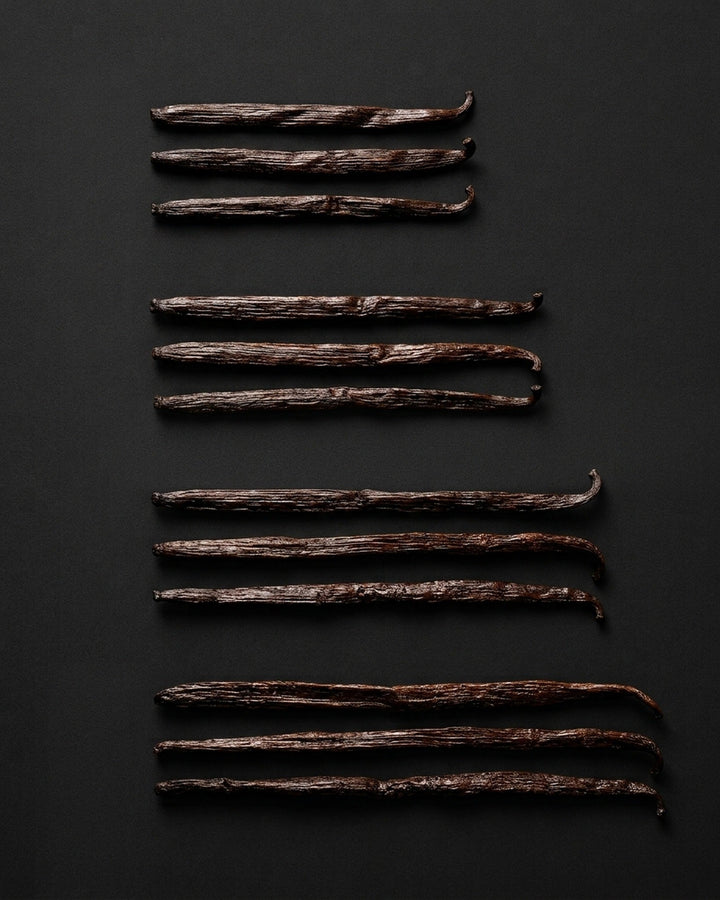
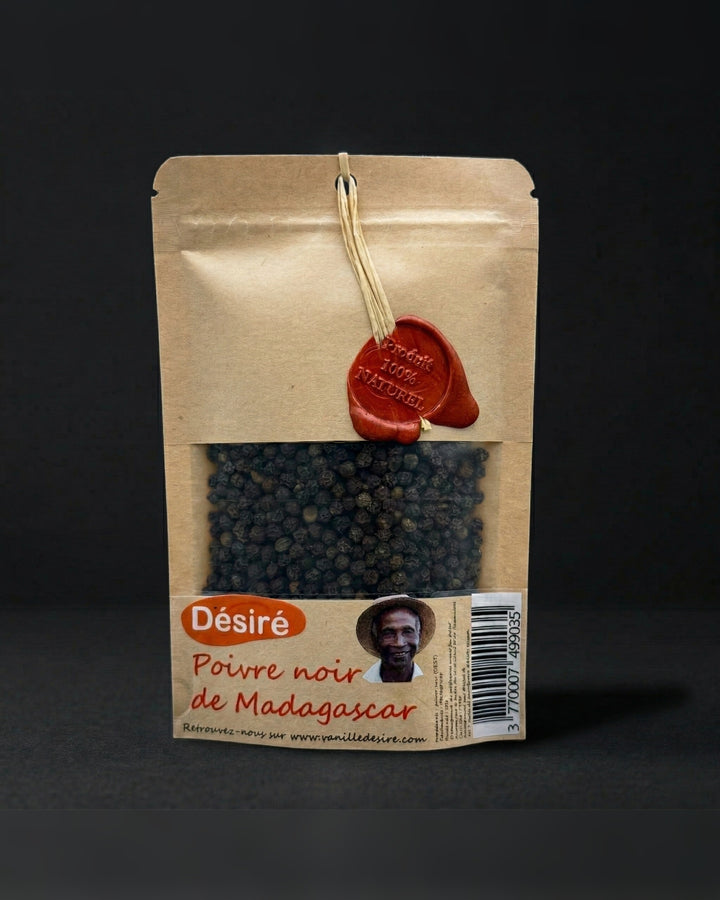
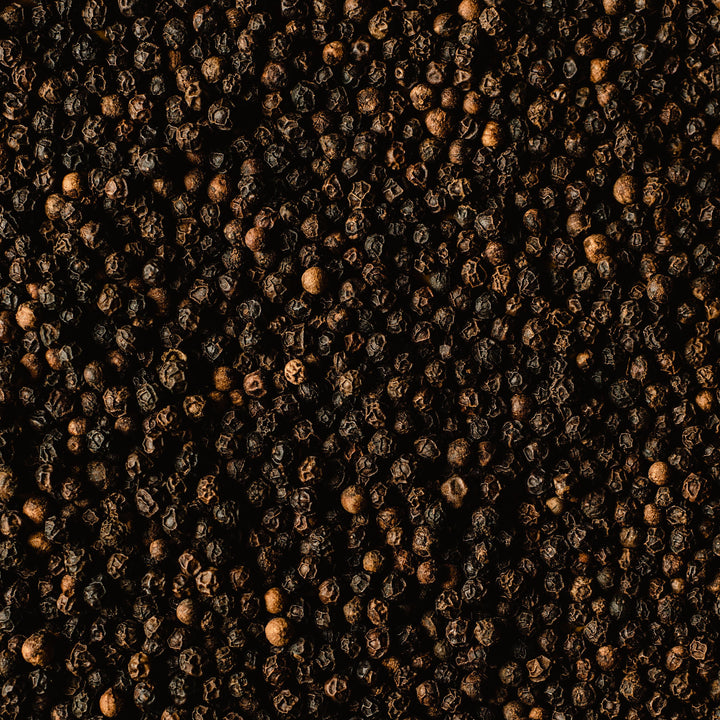
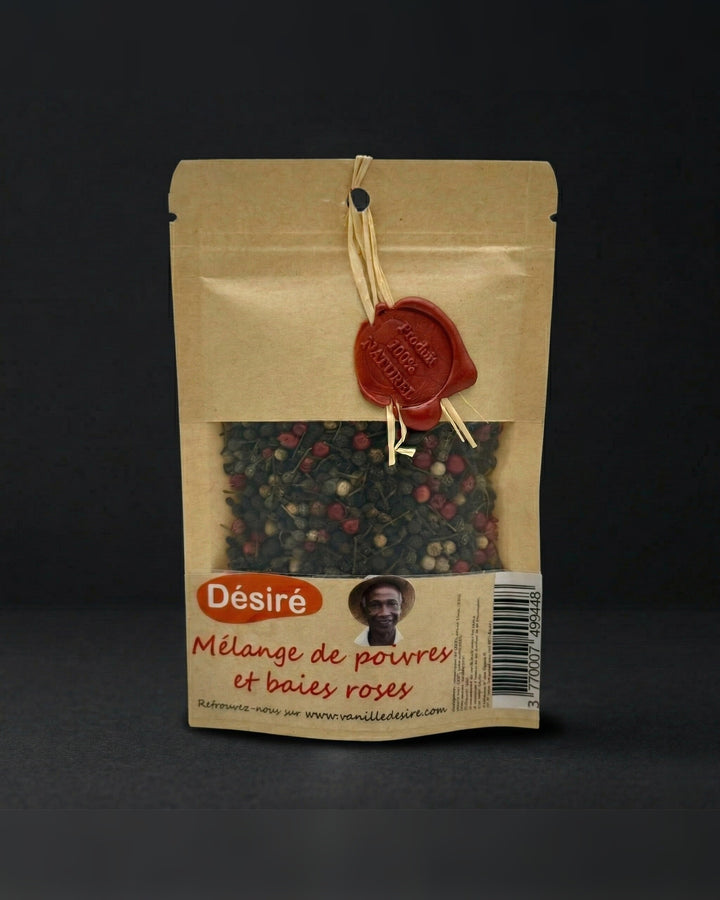
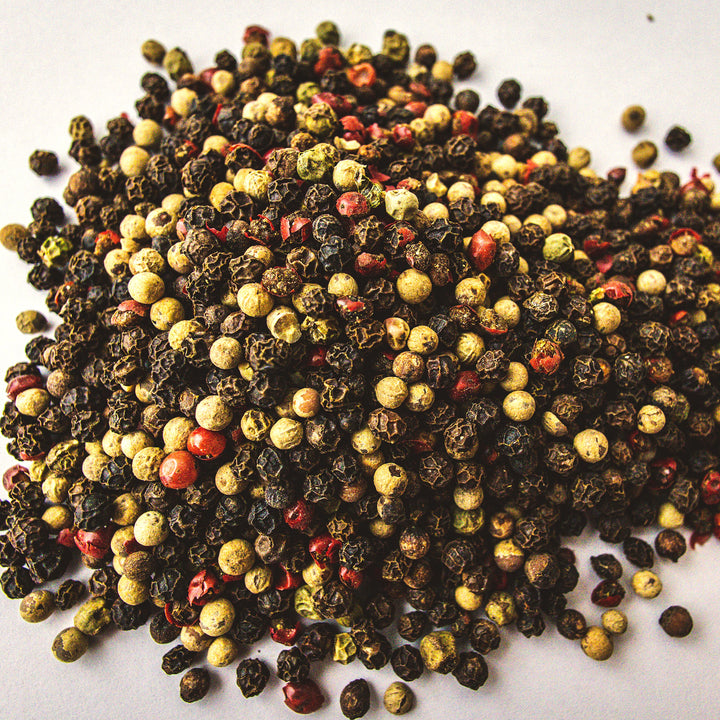
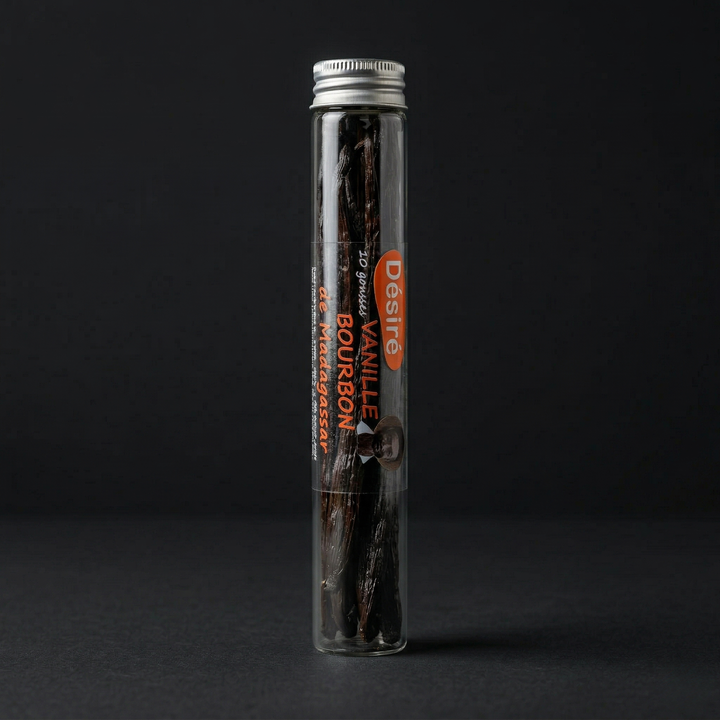
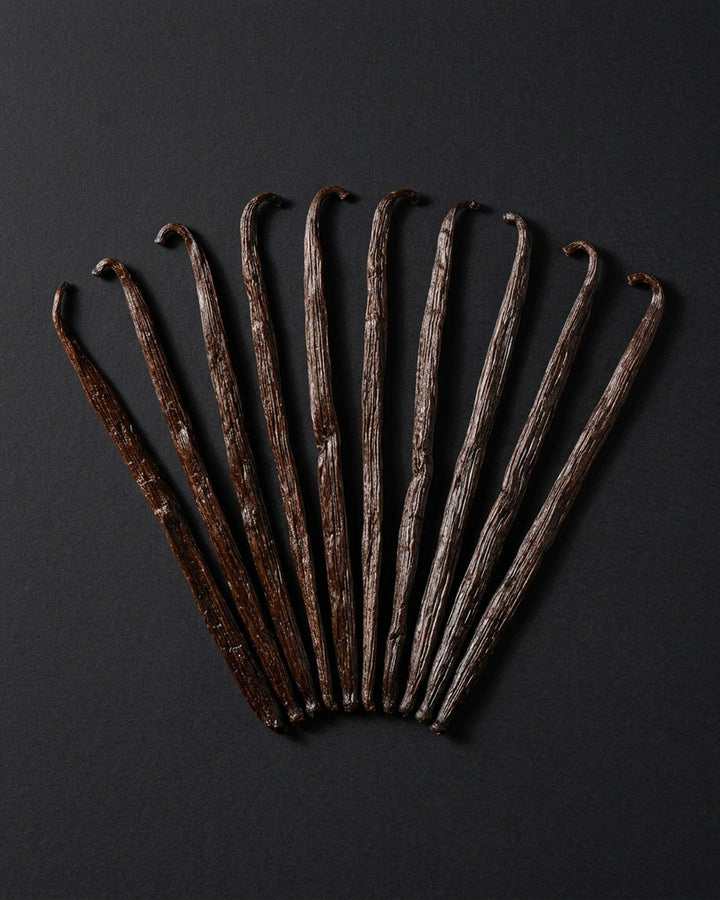
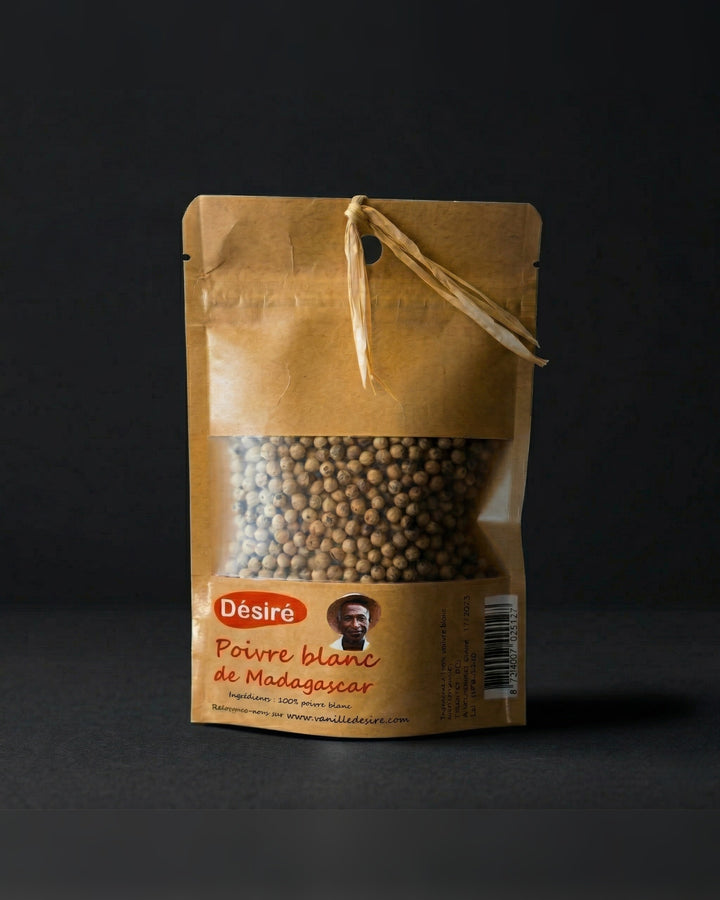
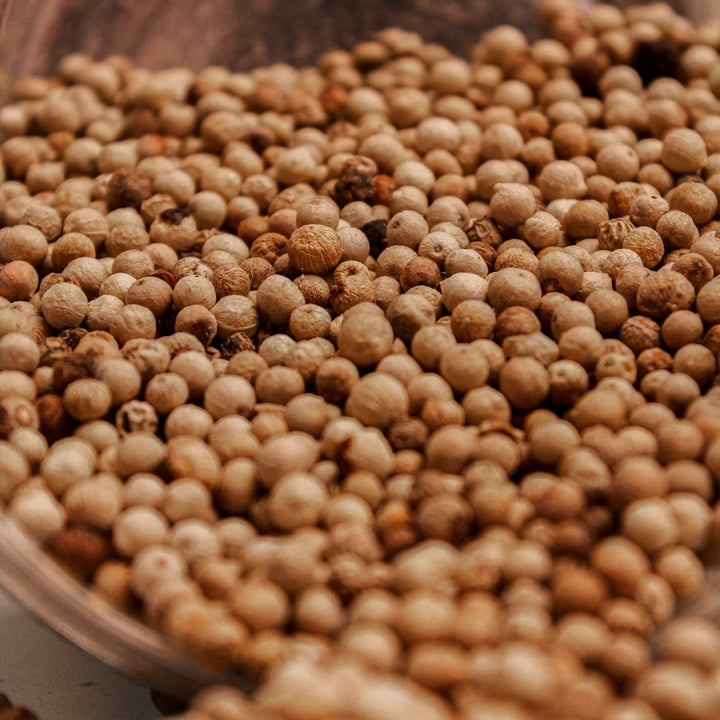
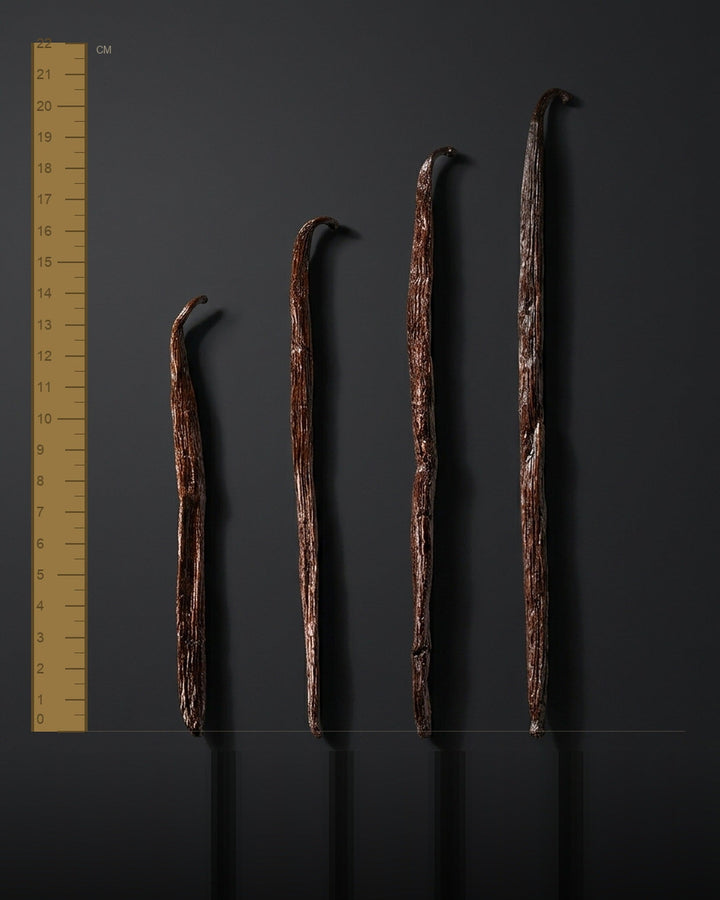
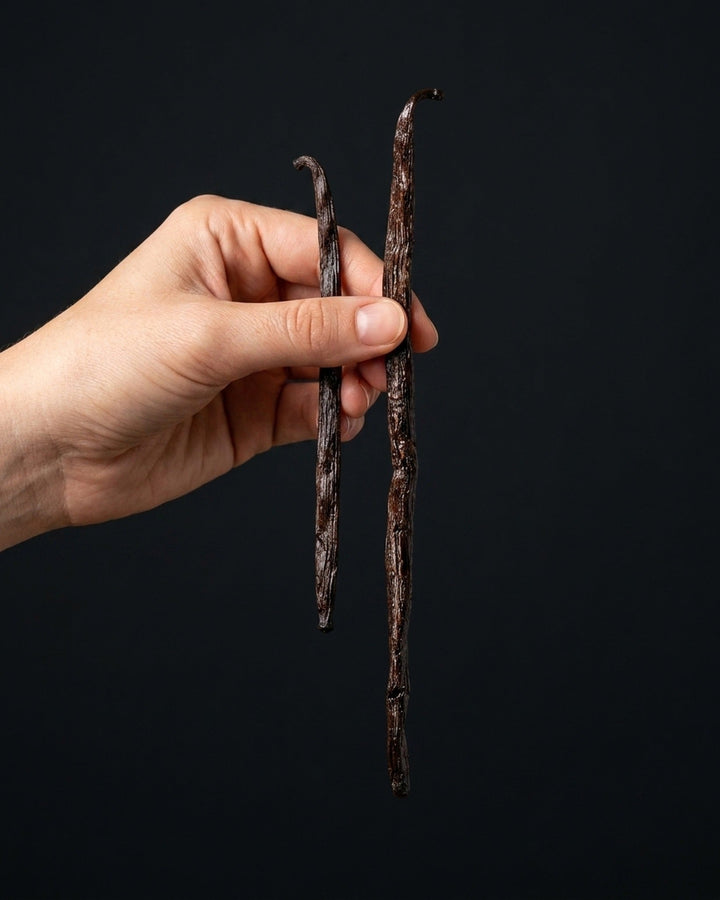
One or two cloves are enough for a jar of honey of ordinary size; beyond that, the bitterness takes over from the rest of the fragrance. Half a vanilla pod, split in two to release its fragrance, infuses within a few days at room temperature. A few black, white or wild peppercorns bring a more unexpected note, best kept for a savoury use, on a cheese or a cold meat, rather than on a sweet morning slice of bread.
Infusing time and storage
Honey infuses at room temperature, away from light, and time does most of the work: a few days are already enough for a whole spice to leave its mark, with no precise length of time that can be given here, as the result depends as much on the taste you are after as on the size of the jar. The honey is then kept like any other honey, in a sealed jar, away from damp.
Honey and the youngest children
Whatever its preparation, infused or not, honey must never be given to a child under one year old: health authorities note that it can contain spores behind infant botulism, a rare but serious illness in babies. This rule applies to all honey, with no exception for one with an added spice.
Where these spices come from
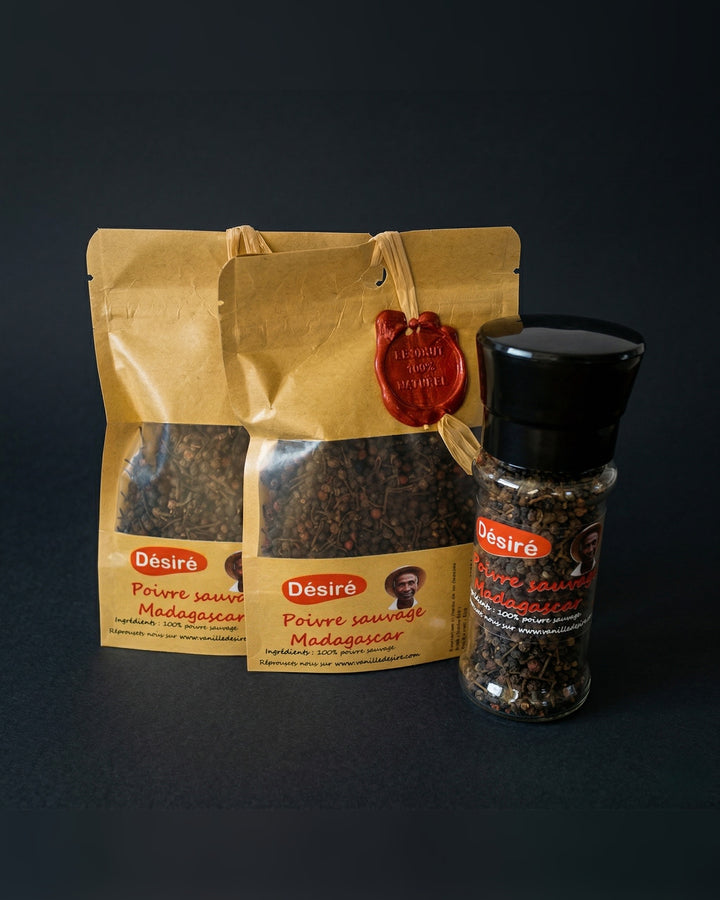
At Vanille Désiré, the cloves and pepper come from Vangaindrano, in the southeast of Madagascar; the wild pepper is gathered there in the wild, never cultivated. The vanilla, meanwhile, comes from the SAVA region, in the northeast of the country.
Frequently asked questions
Can ground cinnamon be infused in honey?
It is best avoided: a ground spice clouds the honey and settles at the bottom of the jar, while a whole spice, such as a clove or a vanilla pod, infuses cleanly and lifts out easily.
How long should a spice be left to infuse in honey?
There is no fixed length of time: a few days at room temperature are already enough, and the fragrance keeps developing the longer the jar sits.
Can spiced honey be given to a baby?
No, honey, in whatever form, must never be given to a child under one year old, because of the risk of infant botulism.
Does the spice need removing before sealing the jar?
No, a whole spice can stay in the jar for the whole time the honey is kept; it is simply lifted out with a spoon when serving.
Our products to go further: Madagascar Cloves · Bourbon Vanilla Pods · Madagascar Black Pepper · Voatsiperifery Wild Pepper
The Vanille Désiré team