Quick answer: Black pepper is native to the Malabar coast, in India, where it grows wild before being cultivated there. The Egyptians already knew it more than three thousand years ago. In the Middle Ages, its high price made it a genuine form of currency in Europe, and the wish to obtain it without going through Venice drove Portugal to seek a sea route to India.
Few spices have weighed as heavily on the history of world trade as black pepper. Before it reached the mills in our kitchens, it served as a means of exchange, a symbol of funerary wealth and, according to historians, one of the reasons behind the great European maritime explorations.
Born on the Malabar coast
The pepper vine (Piper nigrum) is native to southern India, and more precisely to the Malabar coast. It grows there wild in the Western Ghats before being cultivated on a large scale for trade. For centuries, this region remained almost the sole source of the pepper consumed in the rest of the world.
A guest in the mummy of Ramesses II
Pepper already travelled very long distances in antiquity. Black peppercorns were found lodged in the nostrils of the mummy of the Egyptian pharaoh Ramesses II, who died around 1213 BCE, probably placed there during the embalming process. This archaeological discovery shows how old, and how far-reaching, the trade routes already linking India to Egypt were.
Pepper, a currency like any other
In the Middle Ages, pepper reached such a high price in Europe that it became a genuine instrument of exchange, sometimes used to pay rent or settle a debt. This use left its mark on English law under the name 'peppercorn rent': a nominal rent, reduced to a single peppercorn, paid so that a contract nonetheless retained legal standing. Today, by extension, the expression denotes any purely symbolic payment.
The pepper that launched the great explorations
This very high price was partly explained by the monopoly the Republic of Venice held over the trade in pepper and other spices from the East, carried by intermediaries as far as the Mediterranean. Trying to bypass this monopoly by reaching India directly by sea became a major economic goal for Portugal. This search led, in 1498, to the voyage of Vasco da Gama, which linked Europe to India by sea for the first time, lastingly changing the balance of world trade in spices.
Where our black pepper comes from
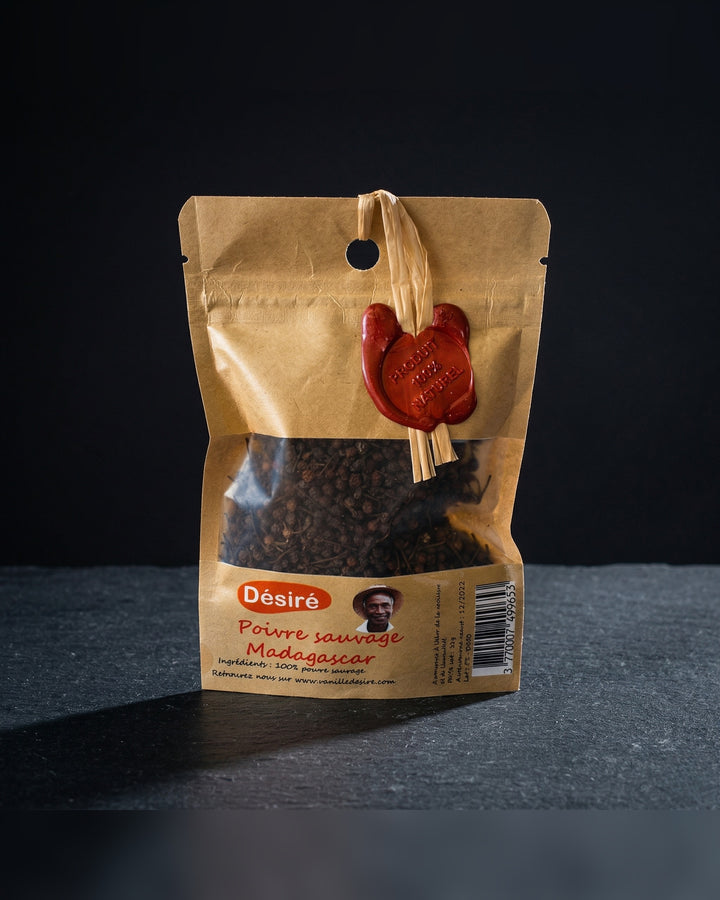
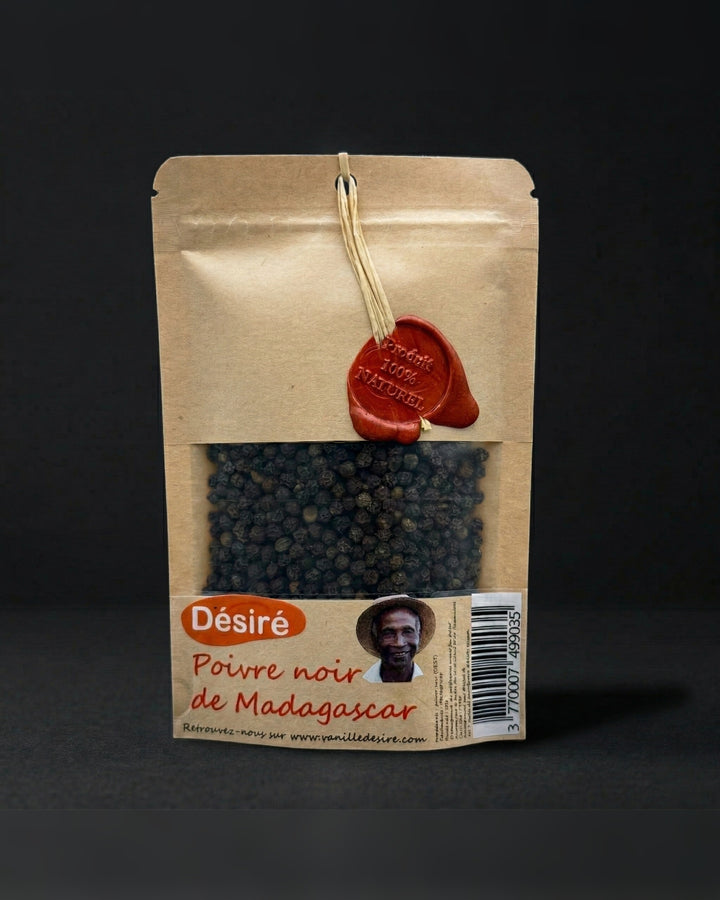
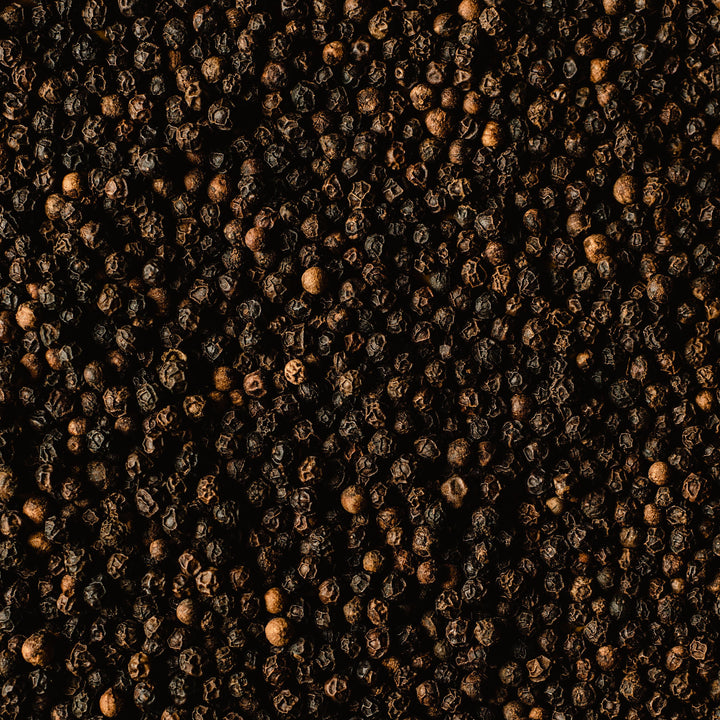
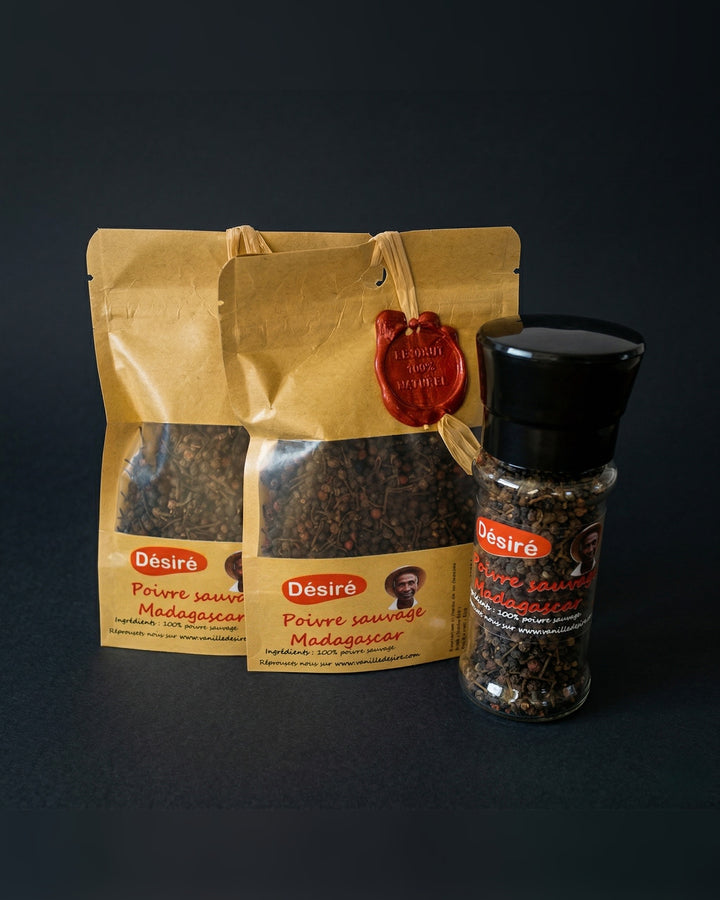
The pepper vine is still grown today in many tropical regions well beyond its Indian birthplace. Our family grows black pepper in Vangaindrano, in south-eastern Madagascar, far from the historic routes of Malabar but following the same principle: whole berries, harvested from the vine, then dried.
Frequently asked questions
Where does black pepper originally come from?
From the Malabar coast, in southern India, where the pepper vine grows wild in the Western Ghats before being cultivated there.
Why is a nominal payment called 'peppercorn rent'?
The expression denotes a nominal rent, reduced to a single peppercorn, a legacy of the time when pepper served as a means of exchange in Europe.
Did pepper really drive Europeans to explore the world?
Its high price in the Middle Ages and Venice's monopoly on its trade motivated Portugal to seek a sea route to India, leading to Vasco da Gama's voyage in 1498.
Does Madagascar black pepper share the same history as Indian pepper?
No: the pepper vine is native to India, and its cultivation has since spread to other tropical regions, including Madagascar.
To go further, our products: Madagascar black pepper · Black pepper, refillable mill
The Vanille Désiré team