Quick answer: In vodka, which is neutral, vanilla gives a clean flavour; in cognac or whisky, already marked by vanillin from the wood during ageing, it extends a note that is already there rather than creating a new one. In all three cases, the split pod is infused whole, away from light.
Vanilla gets along well with spirits, but not in the same way depending on the bottle it is slipped into. A neutral vodka, a cognac aged in a cask and a whisky that has passed through oak do not take the pod in the same way: one is a blank canvas, the other two already carry notes that resemble vanilla before it is even added. This page compares these three spirits. For the step by step method, see our page on vanilla flavoured rum, and to prepare a concentrated extract, our page on making your own vanilla extract: we do not repeat either method in detail here.
Three spirits, three starting points
Vodka is distilled to be as neutral as possible in taste: little or no flavour of its own, which leaves all the room for what is added to it. Cognac is a wine based spirit aged for several years in an oak cask. Whisky is a grain based spirit, also aged in a wooden cask. These last two therefore never start from a neutral base: the wood has already spoken before vanilla enters the picture.
Why cognac and whisky already smell a little of vanilla
During ageing, the alcohol slowly breaks down the lignin in the oak wood. This breakdown releases several aromatic compounds, and one of the first to appear is vanillin, the same molecule that gives the vanilla pod its main flavour. This is why an aged cognac or whisky often carries, without anything having been added, creamy or woody notes that recall vanilla. Adding a real pod to this type of spirit does not therefore create a new pairing: it extends and strengthens a note already present in the glass.
Oak does not always give the same vanilla
The type of cask matters too. For whisky, American white oak, fine grained and rich in tannins, is the most widely used wood; its interior charring, more or less heavy depending on the cooper, releases vanillin among other things. For cognac, two French oaks dominate: sessile oak from the Tronçais forest, fine grained, discreet in tannins but generous in vanilla compounds, and pedunculate oak from the Limousin, with a wider grain and richer in tannins. The same ageing time will therefore give a different result depending on the cask of origin, well before the pod goes in.
Vodka, a neutral canvas
With vodka, the effect is different: the split pod gives a clean vanilla flavour, with no competition from the wood. The principle is not new: it was by macerating vanilla in alcohol at 85 degrees that the chemist Théodore Nicolas Gobley first isolated vanillin, in 1858. The alcohol gradually dissolves the aromatic compounds of the pod, exactly as for a homemade extract.
The gesture, in all three cases
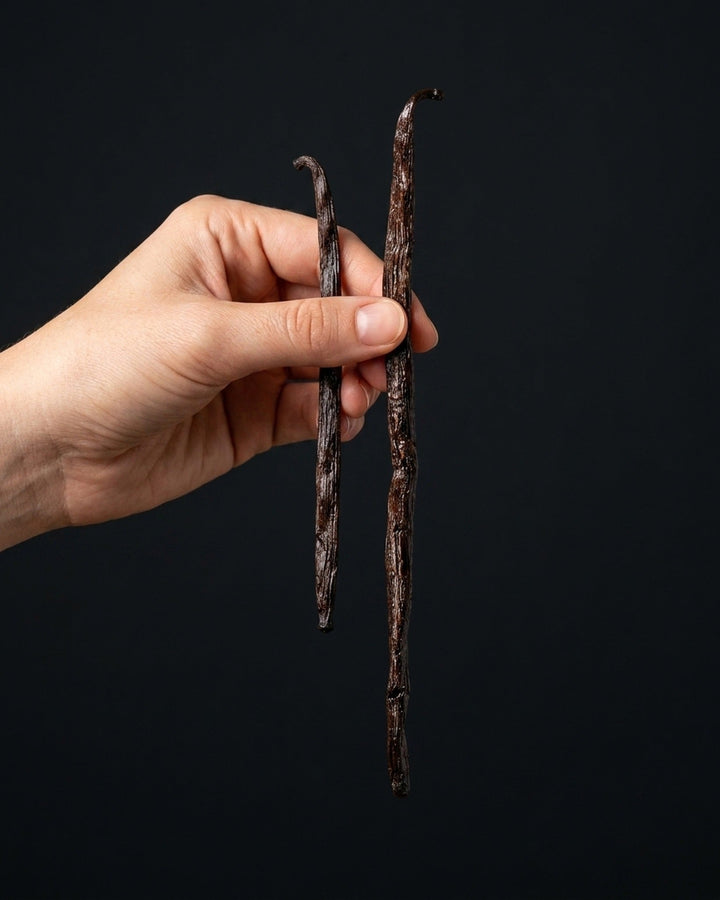
Split the pod lengthways, without cutting it in two, and slide it in whole into the bottle or flask, below the level of the liquid. Close it, store it away from light, and leave it to infuse. Time does most of the work: the longer the maceration lasts, the more the flavour blends into the alcohol. For the detail of the gesture, pod by pod, and the quantities to plan for, our two pages already mentioned are enough; the principle stays the same, whether starting from a vodka, a cognac or a whisky.
What the wood changes about the choice of spirit
A cognac or a whisky very marked by the wood, very tannic or very smoky in the case of a peated whisky, can cover the vanilla rather than welcoming it. A young cognac or a milder whisky leaves more room for the flavour of the pod. Vodka, for its part, never poses this problem: it is its lack of character that makes it a safe base for anyone who wants a clean result.
Pairing a spice, without overloading
A whole cinnamon stick pairs with vanilla in all three spirits, as long as it stays discreet: a pinch or a single stick for a bottle, never the powder, which would cloud the liquid. The principle is the same as for flavoured rum: vanilla remains the main voice, the spice accompanies it without covering it.
Where this vanilla comes from
Our family grows and prepares this vanilla in the SAVA region, in the north east of Madagascar. We ship it ourselves, with no middleman between our land and your bottle.
Frequently asked questions
Why does a cognac or a whisky already smell a little of vanilla?
During ageing, the alcohol slowly breaks down the lignin in the oak wood, which releases vanillin, the same molecule that gives the vanilla pod its main flavour.
Does vanilla behave the same way in vodka and in cognac?
No: vodka is neutral and lets the pod give a clean flavour, while cognac and whisky already carry vanilla notes from the wood, and a pod there rather extends a note already present.
How do you macerate a vanilla pod in a spirit?
Split the pod lengthways without cutting it in two, slide it in whole below the level of the liquid, close it, store it away from light and leave it to infuse: the longer the maceration lasts, the more the flavour blends into the alcohol.
Can a spice be paired with vanilla in these macerations?
A whole cinnamon stick pairs with vanilla in all three spirits, as long as it stays discreet: a pinch or a single stick for a bottle, never the powder, which would cloud the liquid.
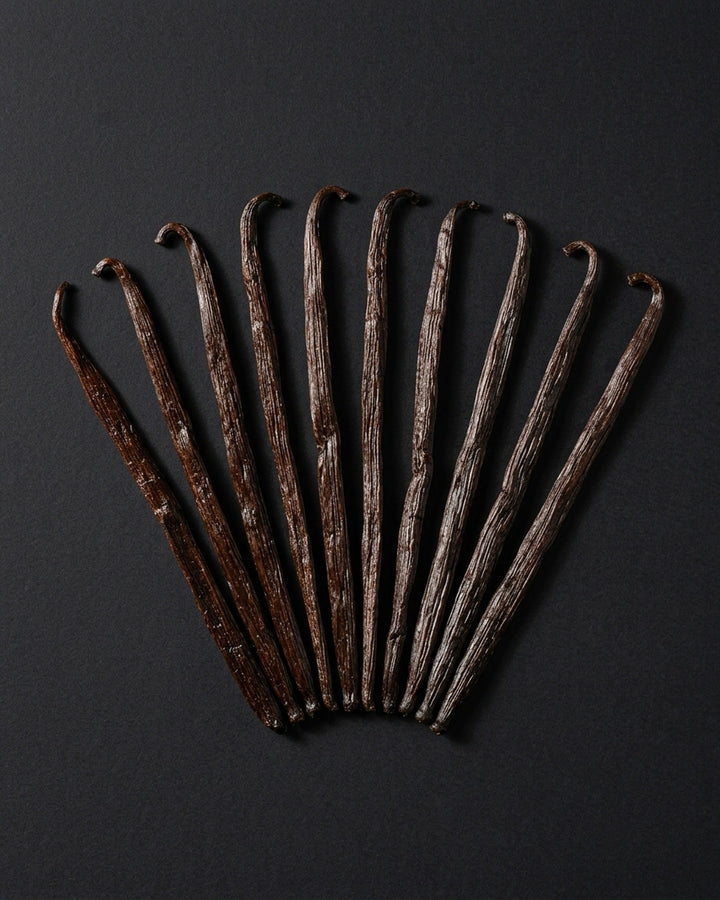
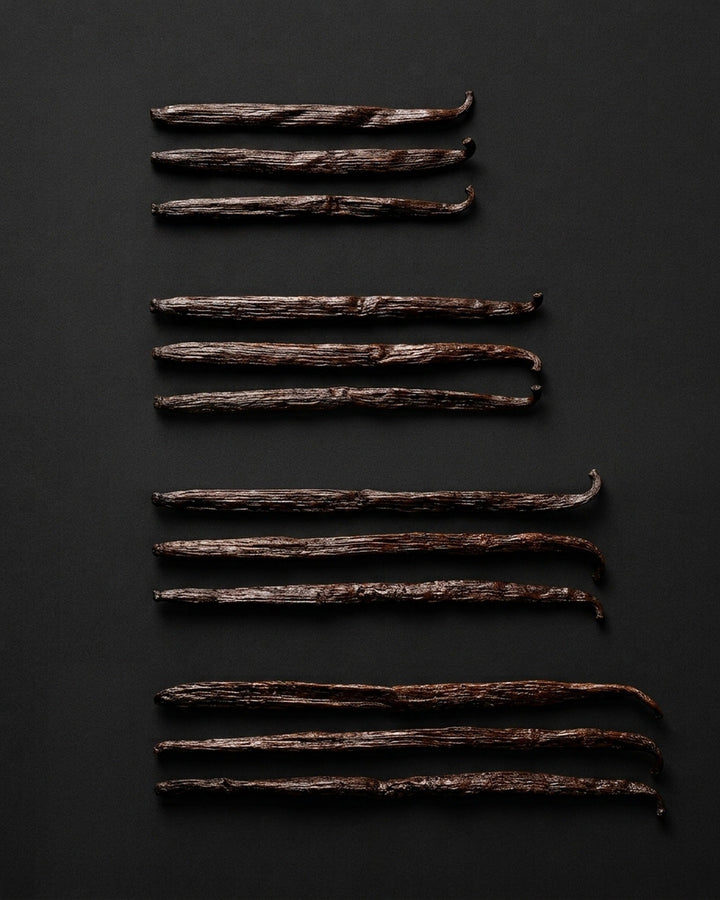
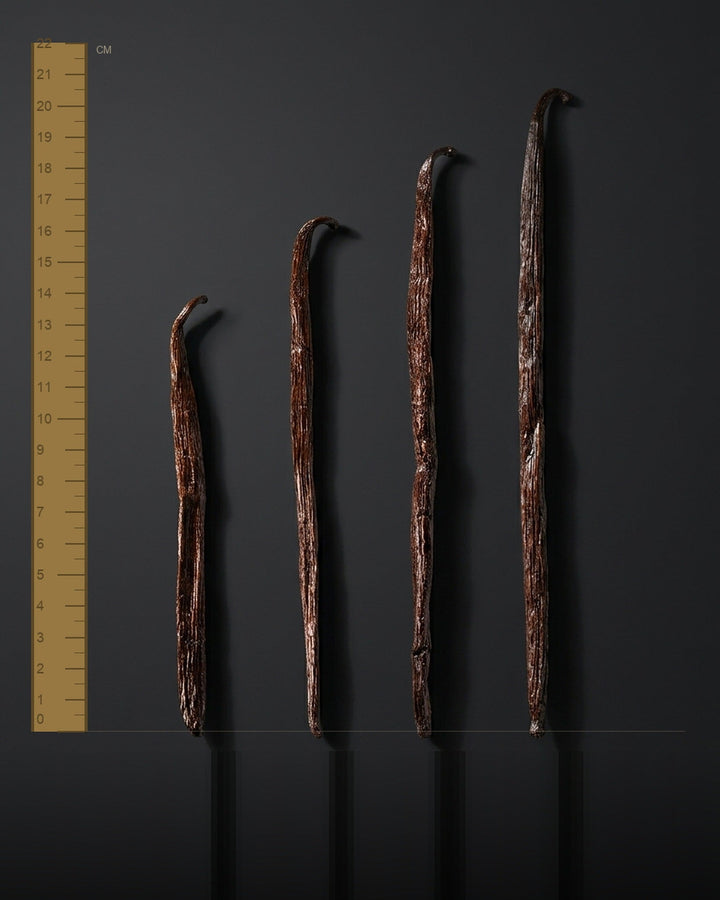
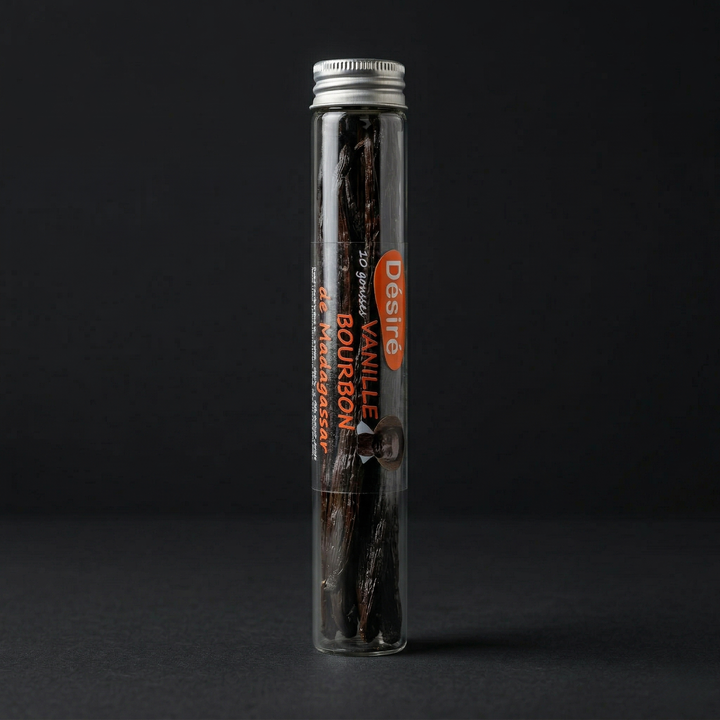
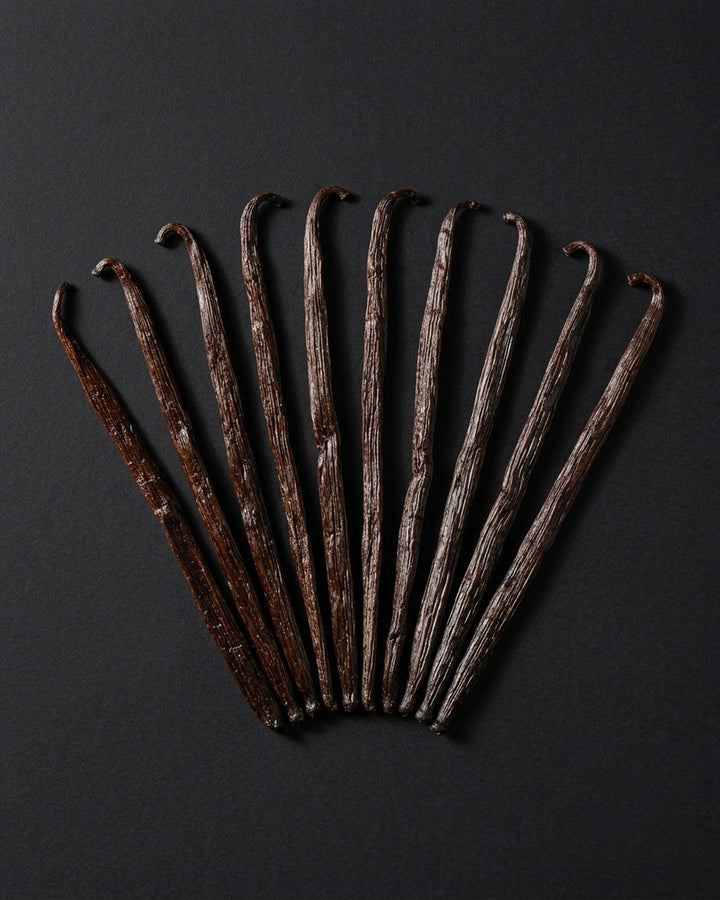
Our product to go further: Madagascar Bourbon vanilla pods
Drinking alcohol can damage your health. Drink in moderation.
The Vanille Désiré team