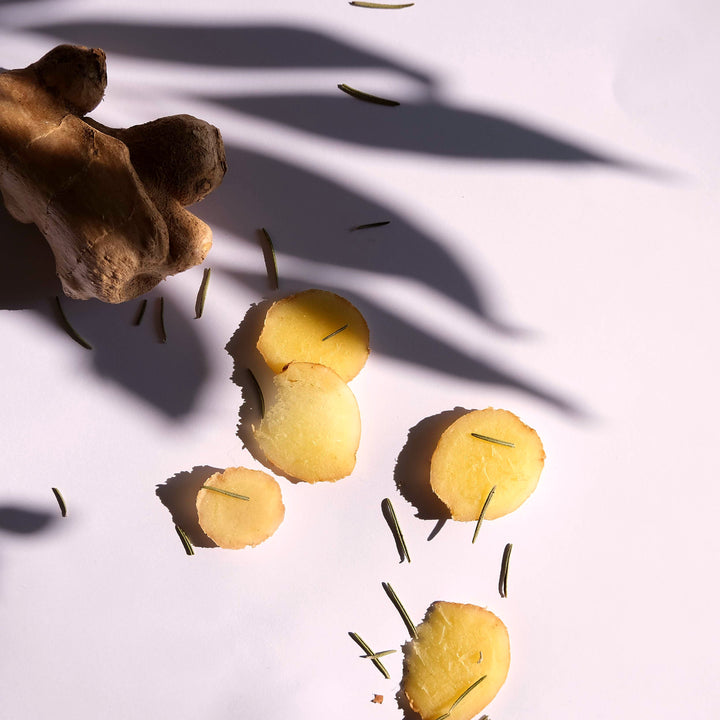
Madagascar Pili Pili Flambéed Shrimp
Spice

Madagascar Pili Pili Flambéed Shrimp

Shrimp seared with garlic, flambéed in rum and spiced up with Madagascar pili-pili. An ultra-fragrant express starter to serve as tapas or a main.

  • Prep 10 min
  • Cooking 8 min
  • Total 18 min
  • Serves 4
  • Difficulty Facile

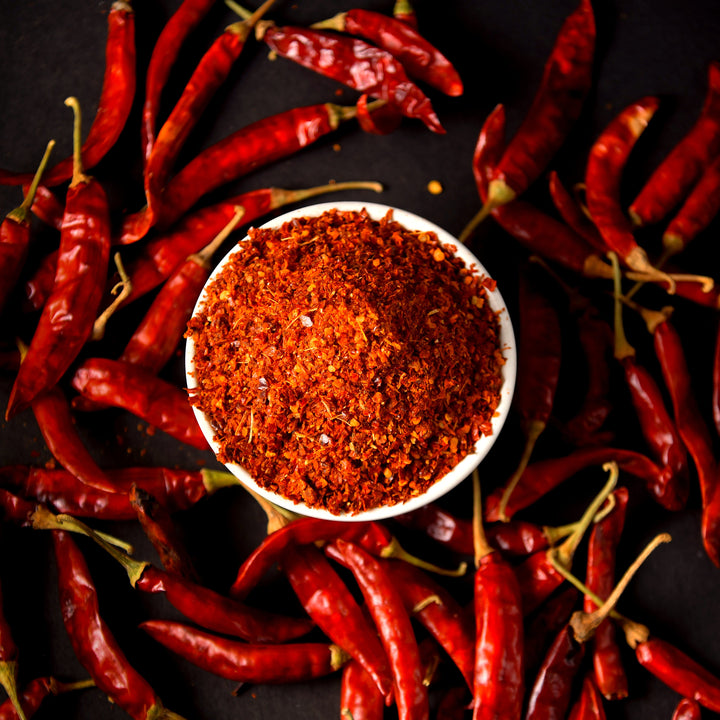
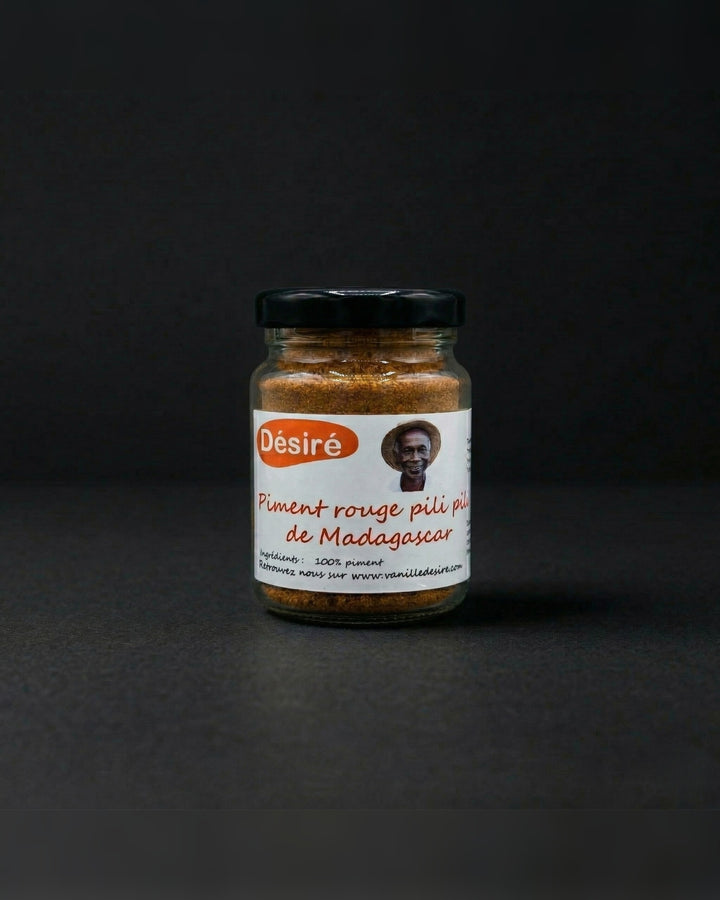
Pili-pili, a name with a real snap to it, a chilli that packs character, is one of the pillars of Malagasy cooking. These are small red chillies (Capsicum frutescens) that grow across all of Madagascar's tropical regions, and that our family grows and selects in Vangaindrano for their balance: heat (around 50,000 SHU on the Scoville scale, comparable to cayenne pepper) but above all a fruity, fragrant flavour that standardised shop-bought chillies simply don't have. On prawns seared in a pan and then flambéed in rum, pili-pili plays its part perfectly: it brings heat without aggression and draws out the sweet flesh of the shellfish. A recipe that takes ten minutes, made at the last moment in front of your guests (for the flambé effect), turning an everyday aperitif into a memorable moment. Serve with good bread for mopping up the sauce.

Méthode

Préparation

  1. Take the prawns out 15 minutes ahead so they come to temperature (for more even cooking). Pat them dry thoroughly with kitchen paper: a wet prawn steams instead of browning.
  2. Prepare everything before you start cooking, this recipe moves fast: sliced garlic, grated ginger, chopped herbs, squeezed lemon, rum measured out in a ladle.
  3. Heat a large cast-iron (or heavy stainless-steel) pan over high heat. Once it's very hot (a drop of water sizzles on contact), pour in the olive oil.
  4. Arrange the prawns in a single layer in the pan, without overlapping. Sear for 1.5 minutes without touching them: the first side should turn bright orange and pearlescent.
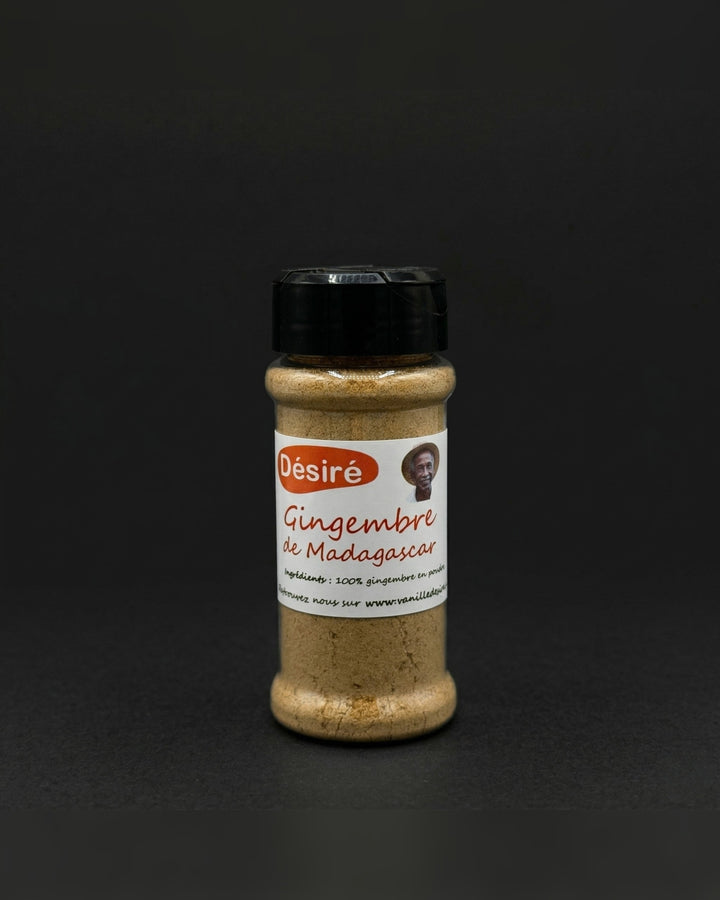
  5. Turn the prawns one by one with tongs. Add the salted butter, the sliced garlic and the grated ginger straight away. Cook for 1 minute, shaking the pan to coat well.
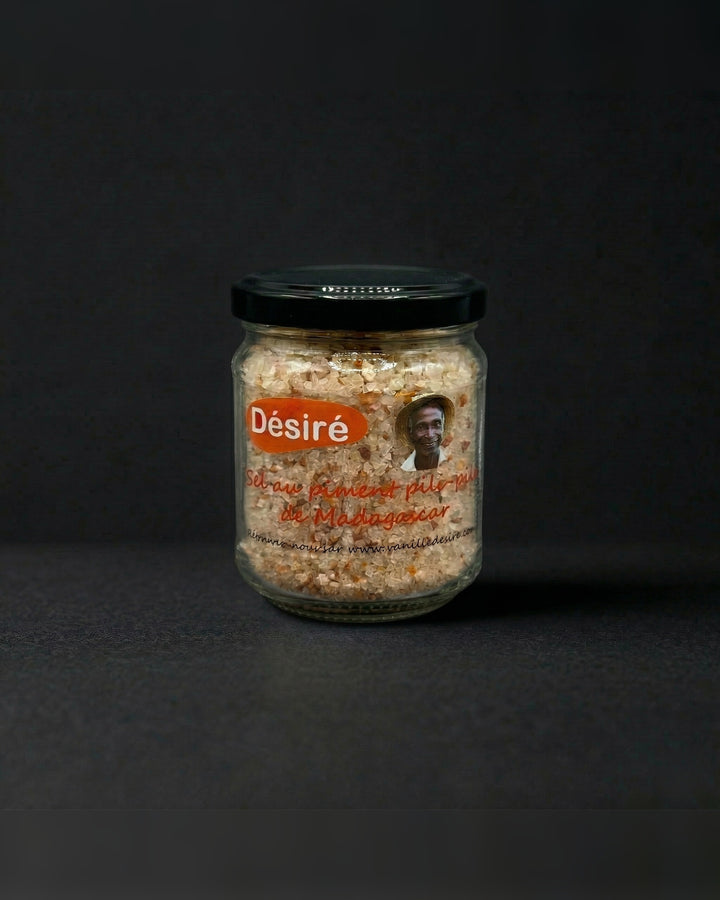
  6. Sprinkle over the pili-pili and the flavoured salt. Stir for 30 seconds, the pili-pili should coat the prawns without burning (if it starts smoking, lower the heat immediately).
  7. Pour in the rum off the heat (for safety), then return the pan to high heat. Tilt the pan towards the flame to flambé (if cooking on electric, light it with a long match at a safe distance). Let the flames die down on their own, 20 seconds is enough to burn off the alcohol while keeping the aromas.
  8. Turn off the heat. Add the lemon juice and its grated zest. Mix well, the sauce should coat the prawns in a glossy emulsion.
  9. Scatter generously with chopped flat-leaf parsley and fresh coriander. Taste and adjust the salt if needed.
  10. Serve immediately in the pan set on a trivet, with the grilled country bread and lemon wedges on the side. Enjoy with your fingers or a fork, mopping up the juices with the bread.
Astuce du chef

Le petit plus qui change tout

Timing is everything in this recipe: prawns turn instantly from translucent to opaque, and from opaque to rubbery. Total cooking time: 3 minutes maximum after adding the butter. If in doubt, slightly undercook them, the residual heat in the pan finishes the job. Aperitif variation: thread the prawns onto small wooden skewers (soaked for 10 minutes in water so they don't burn) and cook them in the same seasoning, perfect for tapas. Coconut variation: replace the butter with 100 ml of coconut milk at the end of cooking, without flambéing, for a milder, Creole-style version. Alcohol-free: replace the rum with 50 ml of chicken stock and 1 tsp of brown sugar for roundness. Storage: this dish doesn't reheat well, serve it straight away.
Questions fréquentes

À propos de cette recette

Raw prawns or already-cooked prawns?
Raw, without exception. Pre-cooked prawns (pink-grey when you buy them) are already at maximum doneness: reheating them makes them rubbery. Ask your fishmonger for raw peeled prawns, 20/30 count (large), or use good-quality frozen raw prawns.
How much pili-pili should I use without overwhelming my guests?
1 level tsp for 4 people gives a well-spiced but approachable dish (for an average palate). For sensitive palates, start with 1/2 tsp and serve a small pot of pili-pili on the side for those who want more. For heat lovers, go up to 1.5 tsp. Madagascar pili-pili is medium-to-high strength but very aromatic, its heat comes with real flavour.
Can this be made without flambéing the rum (for children or non-drinkers)?
Yes. Skip the flambé step: replace the 50 ml of rum with 3 extra tbsp of lemon juice and 1 tsp of honey for roundness, added at the end of cooking. The result is different (no caramelised, toasty note from the rum) but excellent. As for the spectacular flambé without actually consuming the alcohol: the rum evaporates almost entirely once flambéed, leaving less than 1 g of alcohol per portion.
What's the quickest way to peel prawns?
Hold the prawn by the head between thumb and forefinger. Twist and pull the head to detach it. Grip the shell at the belly and pull gently towards the tail, it should come off in one piece. Leave the tail on for presentation and easy handling. To remove the dark intestinal vein: cut a 2 mm slit along the back and lift it out with the tip of a knife. With practice, it takes about 30 seconds per prawn.
What should be served alongside this?
As a main course: plain white rice (basmati or Madagascar rice) to soak up the sauce, or fresh tagliatelle. As tapas: grilled country bread rubbed with garlic, or roasted baby potatoes. To drink: a dry, aromatic white (Sauvignon de Touraine, Vinho Verde), a chilled lager, or a rum and lime cocktail to stay on theme.
In the kitchen

Four moves with one bean

What to do with a whole bean, from the first cut to the sugar jar.

01 Split 30 s

Knife tip halfway through, one single pass along the whole length.

02 Scrape 1 min

Scrape both halves with a spoon. That black is the flavour.

03 Infuse 20 min

Seeds and bean into the hot milk, off the heat, covered.

Vanilla beans laid on a white plate
04 Reuse 1 week

Rinse the emptied bean, let it dry, then slip it into the sugar.

One bean serves twice