Duck Breast with Voatsiperifery Pepper Sauce
Rosy duck breast with crispy skin, a wild Voatsiperifery pepper sauce with woody, citrusy notes, a gastronomic signature of Madagascar.
- Prep 15 min
- Cooking 20 min
- Total 35 min
- Serves 4
- Difficulty Moyen
Préparation
-
Take the duck breasts out of the fridge 30 minutes before cooking so they come to temperature. Score the skin in a 1 cm diamond pattern with a very sharp knife, without cutting into the flesh (this lets the fat render evenly).
-
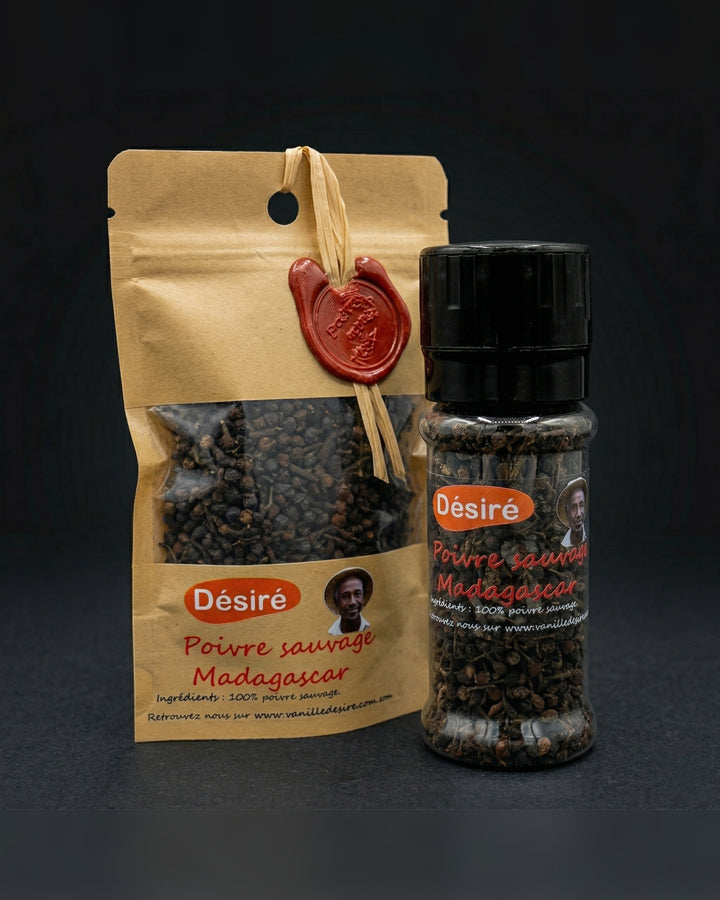
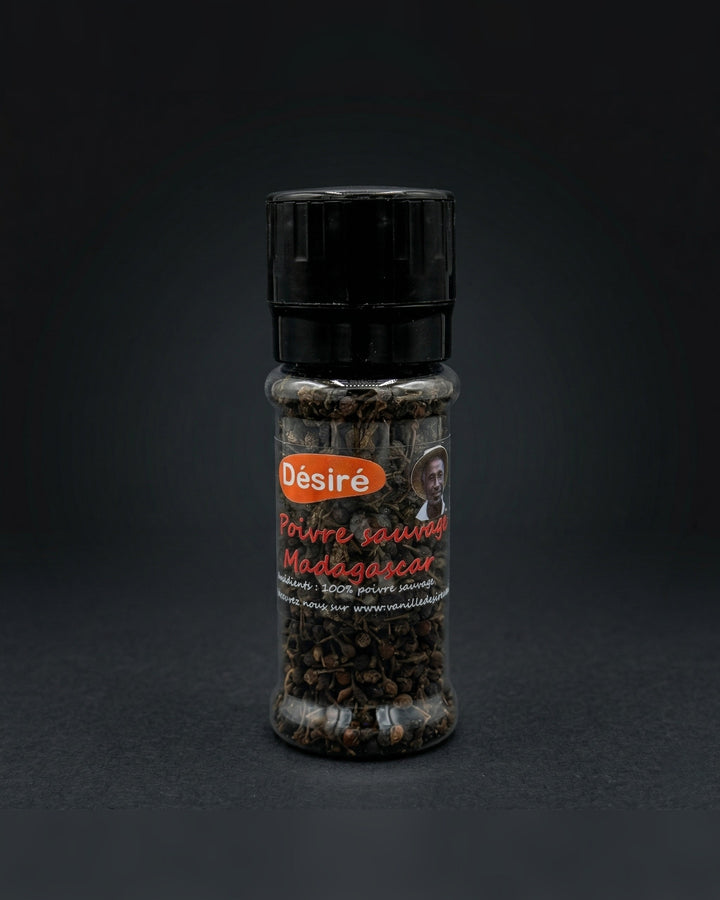
Coarsely crush 1.5 tbsp of Voatsiperifery berries with a mortar or a coarse-set pepper mill. Keep 1/2 tbsp of whole berries for the finish.
-
Salt the fatty skin side generously. Place the duck breasts skin-side down in a cold, ungreased pan (the fat will render on its own). Turn the heat to medium-low.
-
Let the fat render for 8 to 10 minutes: the skin should turn golden, crisp and lie flat. Pour off the rendered fat into a bowl regularly (keep it for sarladaise potatoes).
-
Turn the duck breasts flesh-side down, add the crushed Voatsiperifery pepper directly onto the flesh and sear for 3 to 4 minutes over high heat for pink at the centre (55°C on a thermometer). For rare, allow 2 minutes.
-
Transfer the duck breasts to a board, cover with foil and let rest for 8 minutes, a non-negotiable step so the juices redistribute.
-
In the same pan, keep only 1 tbsp of the fat. Sweat the shallot for 2 minutes over medium heat without browning it.
-
Deglaze with the cognac, flambé if you're comfortable doing so (otherwise let the alcohol evaporate for 1 minute). Pour in the brown stock, bring to the boil and reduce by half over high heat (5 minutes).
-
Add the cream, stir, and let it reduce for 2 minutes until it coats the back of a spoon. Off the heat, finish the sauce by whisking in the cold butter cubes one at a time with a spatula, it should turn glossy and silky.
-
Slice the duck breasts on the diagonal into 1 cm slices. Coat with the sauce, scatter over the whole Voatsiperifery berries and a pinch of fleur de sel. Serve at once with sweet potato purée or sautéed potatoes.
Le petit plus qui change tout
Voatsiperifery should never be cooked hard. Its delicate essential oils evaporate under prolonged high heat. The golden rule: crush it at the last moment, add it to the flesh at the end of cooking (never at the start in a simmering sauce), and keep a few whole berries back for the finish, for a burst of aroma. In autumn, add 80 g of pan-fried porcini to the sauce. For entertaining, cook the duck breasts just on the skin side (steps 3-4), keep chilled, then finish the flesh and the sauce just before serving. Storage: cooked duck breast is best enjoyed straight away; if there's any left, enjoy it cold in a salad the next day (do not reheat, the flesh would toughen).